Ohio Senate Votes to Suspend 38.5-Cent Fuel Tax for 90 Days
Lawmakers tapped general revenue to replace $725 million in road funds, setting up critical supermajority votes and executive review.
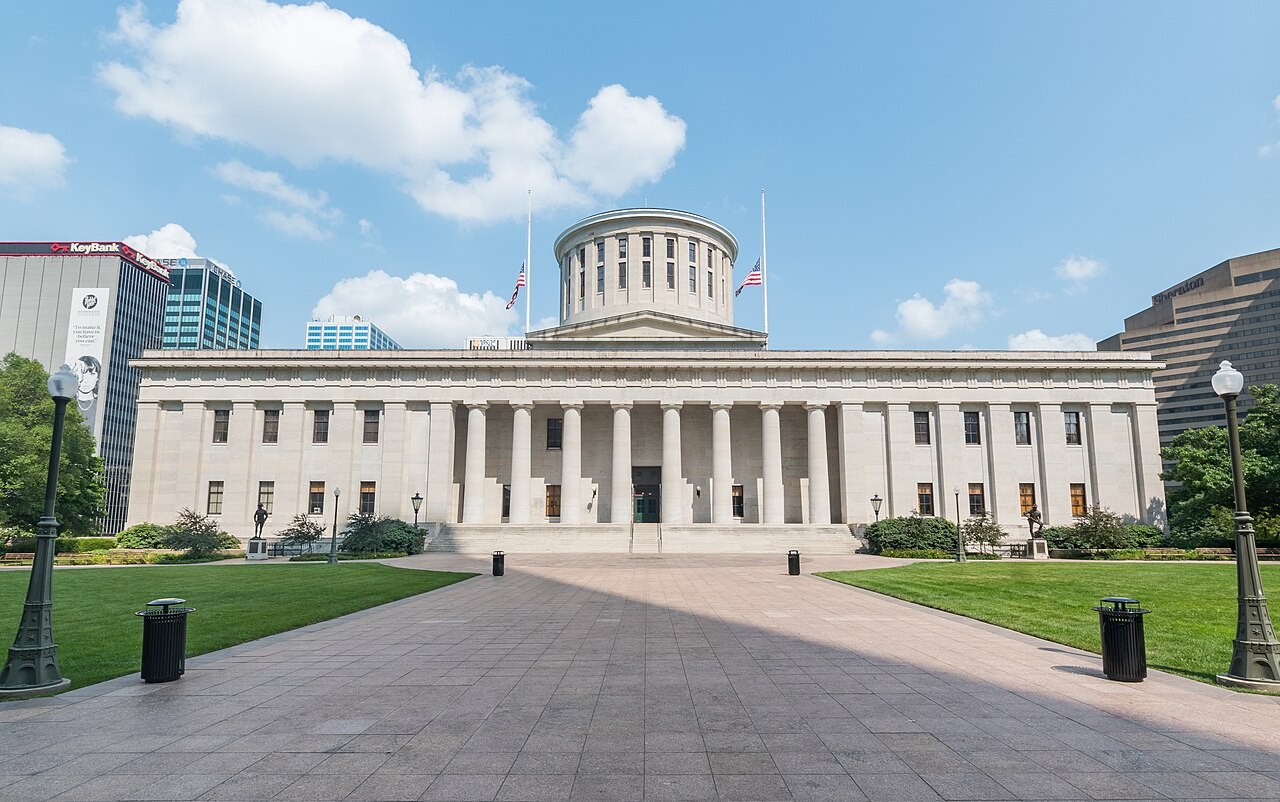
Ohio lawmakers convened at the Statehouse in an emergency session Wednesday and voted to suspend the state's motor fuel taxes for 90 days, advancing legislation designed to lower pump prices ahead of the November general election lawmakers voted.
Senate Bill 475, sponsored by Republican state Sens. Jane Timken of Jackson Township and Michele Reynolds of Canal Winchester, pauses Ohio's 38.5-cent-per-gallon excise tax on gasoline and 47-cent tax on diesel introduced Senate Bill 475. To protect infrastructure operations, the measure replaces an estimated $725 million in lost highway receipts by drawing directly from Ohio's General Revenue Fund surplus draw $725 million.
The emergency vote capped days of swift negotiations between Statehouse leaders and the administration of Gov. Mike DeWine, who had firmly rejected earlier proposals to finance a holiday with cash from highway accounts. The measure faces rigorous constitutional voting hurdles, pushback from fuel retailers over mandatory point-of-sale receipt disclosures, and sharp debate over whether motor fuel holidays deliver lasting savings to motorists.
Legislative supermajorities and the emergency clause
Statehouse Republican leaders recalled lawmakers to Columbus weeks before the election to push the fuel tax suspension, but the bill's immediate implementation hinges on strict constitutional supermajority requirements.
Under the Ohio Constitution, an ordinary bill takes effect 90 days after being filed with the secretary of state, which would push implementation past the election into late December tax cut couldn't take effect until late December. To circumvent that 90-day waiting period and enact the suspension immediately, legislative leaders attached an emergency clause, which mandates a two-thirds supermajority vote in both the Senate and the House of Representatives emergency clause so the measure can take effect immediately.
While Republicans hold a commanding supermajority in the Senate, reaching the two-thirds threshold in the 99-member House requires 66 affirmative votes, necessitating votes from minority Democrats Democratic votes in the House. House Speaker Matt Huffman warned that lawmakers opposing the holiday face political fallout Huffman said.
The constitutional mechanics also shape potential executive review. Should Gov. DeWine veto the legislation, the General Assembly can override that veto with a three-fifths supermajority vote in each chamber. However, passing an emergency clause requires the higher two-thirds threshold, making bipartisan cooperation essential for any pre-election relief.
Shift from transportation cash to the state general fund
The current form of Senate Bill 475 represents an overhaul of earlier proposals that surfaced following gas price spikes tied to overseas conflict and rising regional diesel costs.
When Republican gubernatorial candidate Vivek Ramaswamy and legislative leaders initially rolled out the plan, they proposed offsetting the estimated $678 million to $750 million shortfall by drawing upon ending cash balances at the Ohio Department of Transportation save drivers about $678 million.
DeWine immediately resisted that plan, calling the idea of depleting ODOT cash balances dangerous for Ohio infrastructure. The governor warned that the state motor fuel tax generates more than $8 million per day to construct highways, rebuild bridges, and repair local roads brings in more than $8 million a day. DeWine argued that raiding ODOT balances would strip critical funds from municipal governments and push the department toward fiscal instability taking a massive amount of money away.
Faced with an executive roadblock, Timken and Reynolds redrafted the measure to backfill the $725 million from state General Revenue Fund reserves rather than transportation coffers general fund surplus.
Speaking in Columbus on September 28, DeWine indicated that protecting road construction funds fundamentally shifted the fiscal debate, stating he would reconsider a proposal that preserves highway maintenance and does not pull money from transit projects DeWine said.
Retailer compliance and consumer receipts
Beyond the Statehouse floor, the legislation sparked criticism from the retail fuel sector. Senate Bill 475 requires Ohio gas stations to provide itemized receipts showing consumers the exact breakdown of federal and state taxes levied on their fuel purchases, a provision designed to stay in state law permanently introduced Senate Bill 475.
Tony Ehler of the Ohio Council of Retail Merchants testified that the receipt mandate is unworkable for hundreds of service stations across the state. Ehler said station operators cannot overhaul point-of-sale software on short notice, calling the requirements impractical and questioning how state officials could verify that wholesale cost reductions are passed along directly to drivers Ehler said.
Democratic lawmakers also questioned the bill's financial relief and sudden schedule. State Sen. Willis Blackshear of Dayton pointed out that fuel prices had been elevated since early spring, asking why legislative leaders waited until weeks before an election to convene an emergency session Blackshear said.
Motorist impact and central Ohio infrastructure budgets
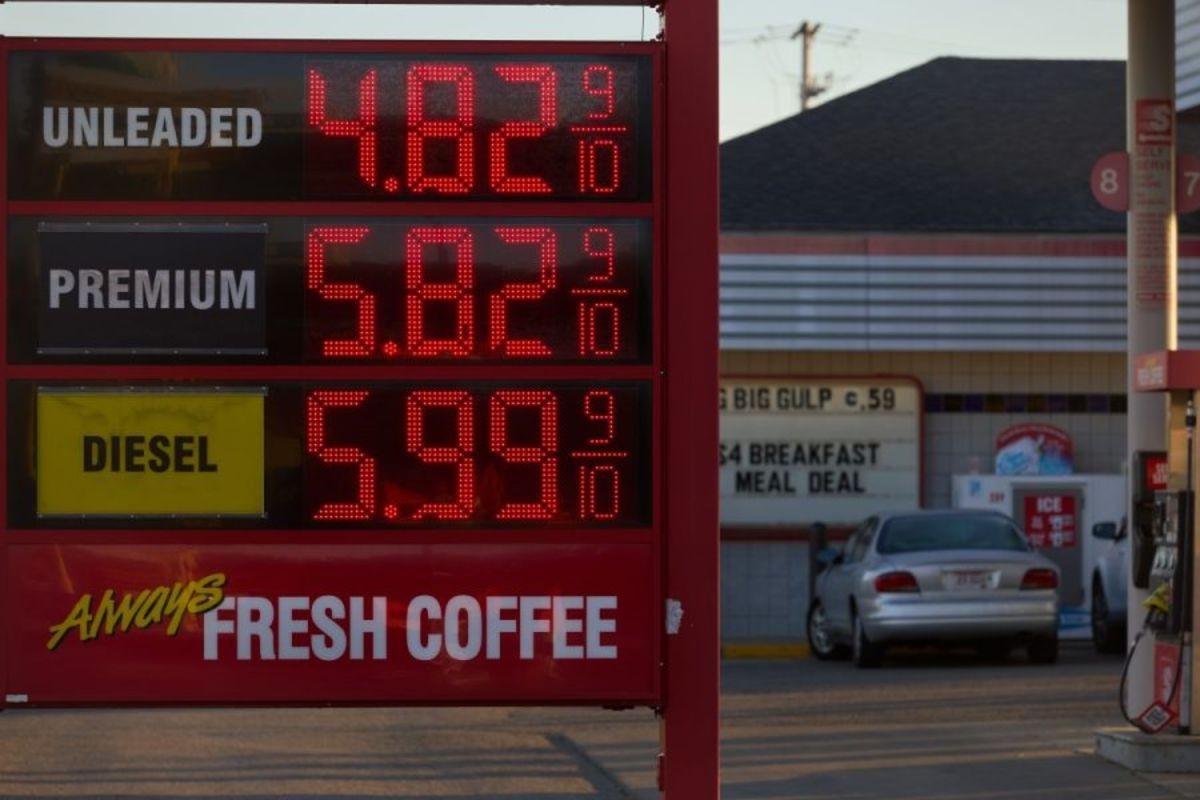
For central Ohio drivers navigating sustained fuel inflation, the 90-day suspension offers immediate mathematical savings. Sen. Reynolds calculated that pausing the 38.5-cent gas tax provides nearly $7.70 in savings on a typical 20-gallon vehicle fill-up Reynolds said.
Private surveys underscored the financial pressure facing motorists. Recent monitoring by GasBuddy showed pump prices in central Ohio cities averaging $4.29 per gallon, up more than 30 cents over the previous month and $1.41 higher than the prior year GasBuddy's survey.
Yet economists and municipal leaders emphasize that the broader fiscal consequences extend far beyond weekly savings. Ohio's fuel taxes provide predictable, constitutionally dedicated revenue distributed directly to county engineers, township trustees, and municipal street departments for winter snow removal, pothole patching, and bridge upkeep depend on this money. By insulating local governments through general revenue replacement rather than highway funding cuts, lawmakers sought to deliver driver relief without leaving central Ohio roads to deteriorate.
Video0:39
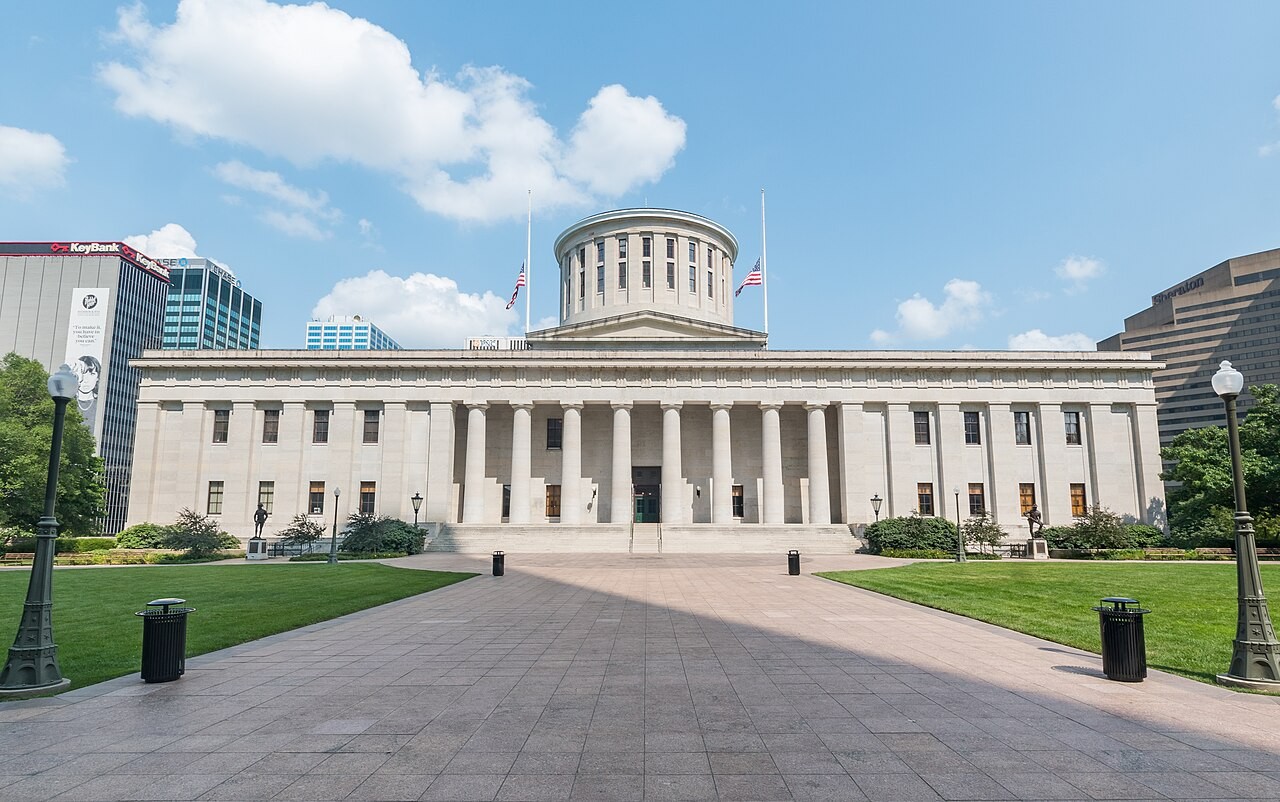
Ohio lawmakers convened at the Statehouse in an emergency session Wednesday and voted to suspend the state's motor fuel taxes for 90 days, advancing legislation designed to lower pump prices ahead of the November general election lawmakers voted.
Senate Bill 475, sponsored by Republican state Sens. Jane Timken of Jackson Township and Michele Reynolds of Canal Winchester, pauses Ohio's 38.5-cent-per-gallon excise tax on gasoline and 47-cent tax on diesel introduced Senate Bill 475. To protect infrastructure operations, the measure replaces an estimated $725 million in lost highway receipts by drawing directly from Ohio's General Revenue Fund surplus draw $725 million.
The emergency vote capped days of swift negotiations between Statehouse leaders and the administration of Gov. Mike DeWine, who had firmly rejected earlier proposals to finance a holiday with cash from highway accounts. The measure faces rigorous constitutional voting hurdles, pushback from fuel retailers over mandatory point-of-sale receipt disclosures, and sharp debate over whether motor fuel holidays deliver lasting savings to motorists.
Legislative supermajorities and the emergency clause
Statehouse Republican leaders recalled lawmakers to Columbus weeks before the election to push the fuel tax suspension, but the bill's immediate implementation hinges on strict constitutional supermajority requirements.
Under the Ohio Constitution, an ordinary bill takes effect 90 days after being filed with the secretary of state, which would push implementation past the election into late December tax cut couldn't take effect until late December. To circumvent that 90-day waiting period and enact the suspension immediately, legislative leaders attached an emergency clause, which mandates a two-thirds supermajority vote in both the Senate and the House of Representatives emergency clause so the measure can take effect immediately.
While Republicans hold a commanding supermajority in the Senate, reaching the two-thirds threshold in the 99-member House requires 66 affirmative votes, necessitating votes from minority Democrats Democratic votes in the House. House Speaker Matt Huffman warned that lawmakers opposing the holiday face political fallout Huffman said.
The constitutional mechanics also shape potential executive review. Should Gov. DeWine veto the legislation, the General Assembly can override that veto with a three-fifths supermajority vote in each chamber. However, passing an emergency clause requires the higher two-thirds threshold, making bipartisan cooperation essential for any pre-election relief.
Shift from transportation cash to the state general fund
The current form of Senate Bill 475 represents an overhaul of earlier proposals that surfaced following gas price spikes tied to overseas conflict and rising regional diesel costs.
When Republican gubernatorial candidate Vivek Ramaswamy and legislative leaders initially rolled out the plan, they proposed offsetting the estimated $678 million to $750 million shortfall by drawing upon ending cash balances at the Ohio Department of Transportation save drivers about $678 million.
DeWine immediately resisted that plan, calling the idea of depleting ODOT cash balances dangerous for Ohio infrastructure. The governor warned that the state motor fuel tax generates more than $8 million per day to construct highways, rebuild bridges, and repair local roads brings in more than $8 million a day. DeWine argued that raiding ODOT balances would strip critical funds from municipal governments and push the department toward fiscal instability taking a massive amount of money away.
Faced with an executive roadblock, Timken and Reynolds redrafted the measure to backfill the $725 million from state General Revenue Fund reserves rather than transportation coffers general fund surplus.
Speaking in Columbus on September 28, DeWine indicated that protecting road construction funds fundamentally shifted the fiscal debate, stating he would reconsider a proposal that preserves highway maintenance and does not pull money from transit projects DeWine said.
Retailer compliance and consumer receipts
Beyond the Statehouse floor, the legislation sparked criticism from the retail fuel sector. Senate Bill 475 requires Ohio gas stations to provide itemized receipts showing consumers the exact breakdown of federal and state taxes levied on their fuel purchases, a provision designed to stay in state law permanently introduced Senate Bill 475.
Tony Ehler of the Ohio Council of Retail Merchants testified that the receipt mandate is unworkable for hundreds of service stations across the state. Ehler said station operators cannot overhaul point-of-sale software on short notice, calling the requirements impractical and questioning how state officials could verify that wholesale cost reductions are passed along directly to drivers Ehler said.
Democratic lawmakers also questioned the bill's financial relief and sudden schedule. State Sen. Willis Blackshear of Dayton pointed out that fuel prices had been elevated since early spring, asking why legislative leaders waited until weeks before an election to convene an emergency session Blackshear said.
Motorist impact and central Ohio infrastructure budgets
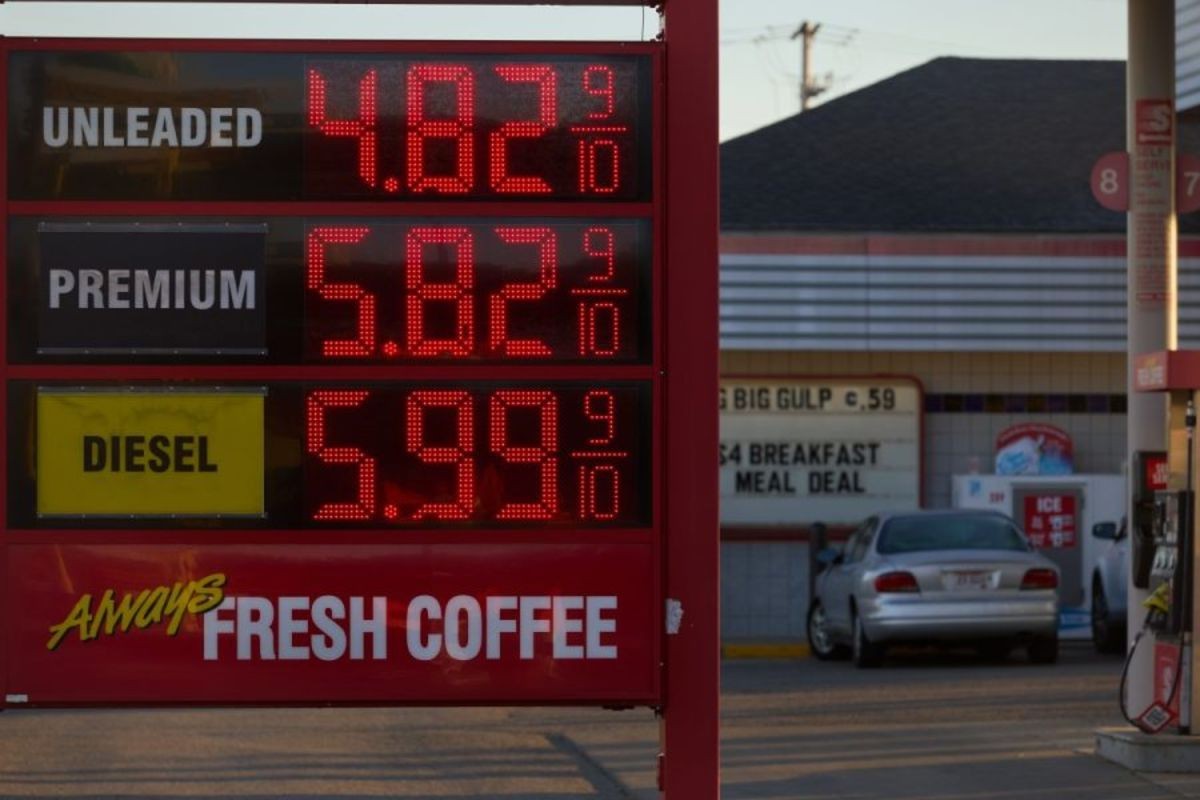
For central Ohio drivers navigating sustained fuel inflation, the 90-day suspension offers immediate mathematical savings. Sen. Reynolds calculated that pausing the 38.5-cent gas tax provides nearly $7.70 in savings on a typical 20-gallon vehicle fill-up Reynolds said.
Private surveys underscored the financial pressure facing motorists. Recent monitoring by GasBuddy showed pump prices in central Ohio cities averaging $4.29 per gallon, up more than 30 cents over the previous month and $1.41 higher than the prior year GasBuddy's survey.
Yet economists and municipal leaders emphasize that the broader fiscal consequences extend far beyond weekly savings. Ohio's fuel taxes provide predictable, constitutionally dedicated revenue distributed directly to county engineers, township trustees, and municipal street departments for winter snow removal, pothole patching, and bridge upkeep depend on this money. By insulating local governments through general revenue replacement rather than highway funding cuts, lawmakers sought to deliver driver relief without leaving central Ohio roads to deteriorate.
How we know this
The sources and records behind this story, with the facts they support.
Ohio lawmakers vote to pause state gas tax
Supporting evidence (1)
Ohio lawmakers convened at the Statehouse in an emergency session Wednesday and voted to suspend the state's motor fuel taxes for 90 days, advancing legislation designed to lower pump prices ahead of the November general election lawmakers voted.
Read supporting passage
In an emergency session Wednesday, Ohio's legislators voted to suspend the gas tax for 90 days.
https://www.yahoo.com/news/politics/articles/ohio-one-step-closer-gas-230804754.html
Supporting evidence (4)
Jane Timken of Jackson Township and Michele Reynolds of Canal Winchester, pauses Ohio's 38.5-cent-per-gallon excise tax on gasoline and 47-cent tax on diesel introduced Senate Bill 475.
Read supporting passage
On Tuesday, Ohio Sens. Jane Timken (R-Jackson Twp.) and Michele Reynolds (R-Canal Winchester) introduced Senate Bill 475, which specifies that the more than $700 million revenue loss from the pause would be paid for out of the general fund surplus, and will not deny funding for state road projects.
Faced with an executive roadblock, Timken and Reynolds redrafted the measure to backfill the $725 million from state General Revenue Fund reserves rather than transportation coffers general fund surplus.
Read supporting passage
On Tuesday, Ohio Sens. Jane Timken (R-Jackson Twp.) and Michele Reynolds (R-Canal Winchester) introduced Senate Bill 475, which specifies that the more than $700 million revenue loss from the pause would be paid for out of the general fund surplus, and will not deny funding for state road projects.
Senate Bill 475 requires Ohio gas stations to provide itemized receipts showing consumers the exact breakdown of federal and state taxes levied on their fuel purchases, a provision designed to stay in state law permanently introduced Senate Bill 475.
Read supporting passage
On Tuesday, Ohio Sens. Jane Timken (R-Jackson Twp.) and Michele Reynolds (R-Canal Winchester) introduced Senate Bill 475, which specifies that the more than $700 million revenue loss from the pause would be paid for out of the general fund surplus, and will not deny funding for state road projects.
Ehler said station operators cannot overhaul point-of-sale software on short notice, calling the requirements impractical and questioning how state officials could verify that wholesale cost reductions are passed along directly to drivers Ehler said.
Read supporting passage
Tony Ehler of the Ohio Council of Retail Merchants told lawmakers most gas stations are unable to update their point of sale systems to produce those itemized receipts on such short notice, calling the accountability requirements impractical and burdensome.
https://tiffinohio.net/posts/ohio-senate-gas-tax-holiday-sb-475-first-hearing/
Supporting evidence (5)
To protect infrastructure operations, the measure replaces an estimated $725 million in lost highway receipts by drawing directly from Ohio's General Revenue Fund surplus draw $725 million.
Read supporting passage
Ohio Senate Bill 475, a 90-day gas tax holiday sponsored by Sens. Michele Reynolds and Jane Timken, got its first hearing Tuesday and would draw $725 million from the state's general revenue fund.
To circumvent that 90-day waiting period and enact the suspension immediately, legislative leaders attached an emergency clause, which mandates a two-thirds supermajority vote in both the Senate and the House of Representatives emergency clause so the measure can take effect immediately.
Read supporting passage
The GOP is aiming to pass its plan with an emergency clause so the measure can take effect immediately. To do that, they’ll need to pick up Democratic votes in the House.
While Republicans hold a commanding supermajority in the Senate, reaching the two-thirds threshold in the 99-member House requires 66 affirmative votes, necessitating votes from minority Democrats Democratic votes in the House.
Read supporting passage
The GOP is aiming to pass its plan with an emergency clause so the measure can take effect immediately. To do that, they’ll need to pick up Democratic votes in the House.
Willis Blackshear of Dayton pointed out that fuel prices had been elevated since early spring, asking why legislative leaders waited until weeks before an election to convene an emergency session Blackshear said.
Read supporting passage
“Gas spiked late February, early March,” Blackshear said. “Why are we just now starting? Why are we acting on this now?”
Reynolds calculated that pausing the 38.5-cent gas tax provides nearly $7.70 in savings on a typical 20-gallon vehicle fill-up Reynolds said.
Read supporting passage
“For a 20 gallon fill up, this equals a savings of nearly $7.70,” Reynolds said.
Supporting evidence (3)
Under the Ohio Constitution, an ordinary bill takes effect 90 days after being filed with the secretary of state, which would push implementation past the election into late December tax cut couldn't take effect until late December.
Read supporting passage
Without the support of at least a few Democrats, though, the tax cut couldn’t take effect until late December under the legislature’s rules that require larger vote margins for new laws to take effect immediately.
House Speaker Matt Huffman warned that lawmakers opposing the holiday face political fallout Huffman said.
Read supporting passage
“I think Democrats who vote against this are doing it at their peril,” Huffman said.
When Republican gubernatorial candidate Vivek Ramaswamy and legislative leaders initially rolled out the plan, they proposed offsetting the estimated $678 million to $750 million shortfall by drawing upon ending cash balances at the Ohio Department of Transportation save drivers about $678 million.
Read supporting passage
The current state gas tax raises about $2.75 billion a year. Ramaswamy’s proposal would suspend Ohio’s gas tax for 90 days. The move would save drivers about $678 million.
Supporting evidence (3)
The governor warned that the state motor fuel tax generates more than $8 million per day to construct highways, rebuild bridges, and repair local roads brings in more than $8 million a day.
Read supporting passage
On average, Ohio’s motor fuel tax brings in more than $8 million a day. The money is used to maintain and construct roads, highways and bridges — as well as fix potholes.
DeWine argued that raiding ODOT balances would strip critical funds from municipal governments and push the department toward fiscal instability taking a massive amount of money away.
Read supporting passage
“It’s not just taking it away from state highways and keeping our state highways up and building some of the roads that we want to build that people all over Ohio want to see built, but it’s also taking a massive amount of money away from our townships, our villages, our cities, and our counties, and they depend on this money,” he said.
Ohio's fuel taxes provide predictable, constitutionally dedicated revenue distributed directly to county engineers, township trustees, and municipal street departments for winter snow removal, pothole patching, and bridge upkeep depend on this money.
Read supporting passage
“It’s not just taking it away from state highways and keeping our state highways up and building some of the roads that we want to build that people all over Ohio want to see built, but it’s also taking a massive amount of money away from our townships, our villages, our cities, and our counties, and they depend on this money,” he said.
https://www.yahoo.com/news/politics/articles/ohio-governor-says-consider-suspending-164509602.html
Supporting evidence (2)
Speaking in Columbus on September 28, DeWine indicated that protecting road construction funds fundamentally shifted the fiscal debate, stating he would reconsider a proposal that preserves highway maintenance and does not pull money from transit projects DeWine said.
Read supporting passage
"We have some indication that they're not going to take the money from highway building and highway maintenance, and I think that's a good thing," said DeWine, who noted he has not received a final proposal. "In my opinion that would be really devastating to take three-quarters of a billion dollars out."
Recent monitoring by GasBuddy showed pump prices in central Ohio cities averaging $4.29 per gallon, up more than 30 cents over the previous month and $1.41 higher than the prior year GasBuddy's survey.
Read supporting passage
According to GasBuddy's survey of 500 stations in central Ohio cities, the average cost for a gallon of gasoline is $4.29 per gallon.