Gahanna Mayor and Council Deliberate Separation of Powers in Chamber Proclamation Rules
A debate over ceremonial recognitions remains in drafting after Mayor Laurie Jadwin argued that council oversight of executive proclamations violates the municipal charter.
More than two weeks after Gahanna City Council debated proposed changes to its procedural rules governing ceremonial recognitions, the measure remains in drafting without revised text before the public. During a Sept. 14 Committee of the Whole meeting, Mayor Laurie Jadwin and council leaders addressed the boundary between council chamber proceedings and executive authority, examining whether mayoral proclamations presented during council sessions should undergo advance legislative review.
Follow-up research confirms that as of early October 2026, item 2026-0148 has not reappeared on municipal dockets. Official agendas for the subsequent Sept. 28 Committee of the Whole and Special Council meetings contained no proposed rule language or scheduled hearings on the matter. Following the mid-September discussion, the item was filed after Vice President Jones stated that she would take the discussion and feedback, work with the Clerk of Council to incorporate the provisions into the Council Rules and return the matter for Committee of the Whole discussion and a subsequent vote.
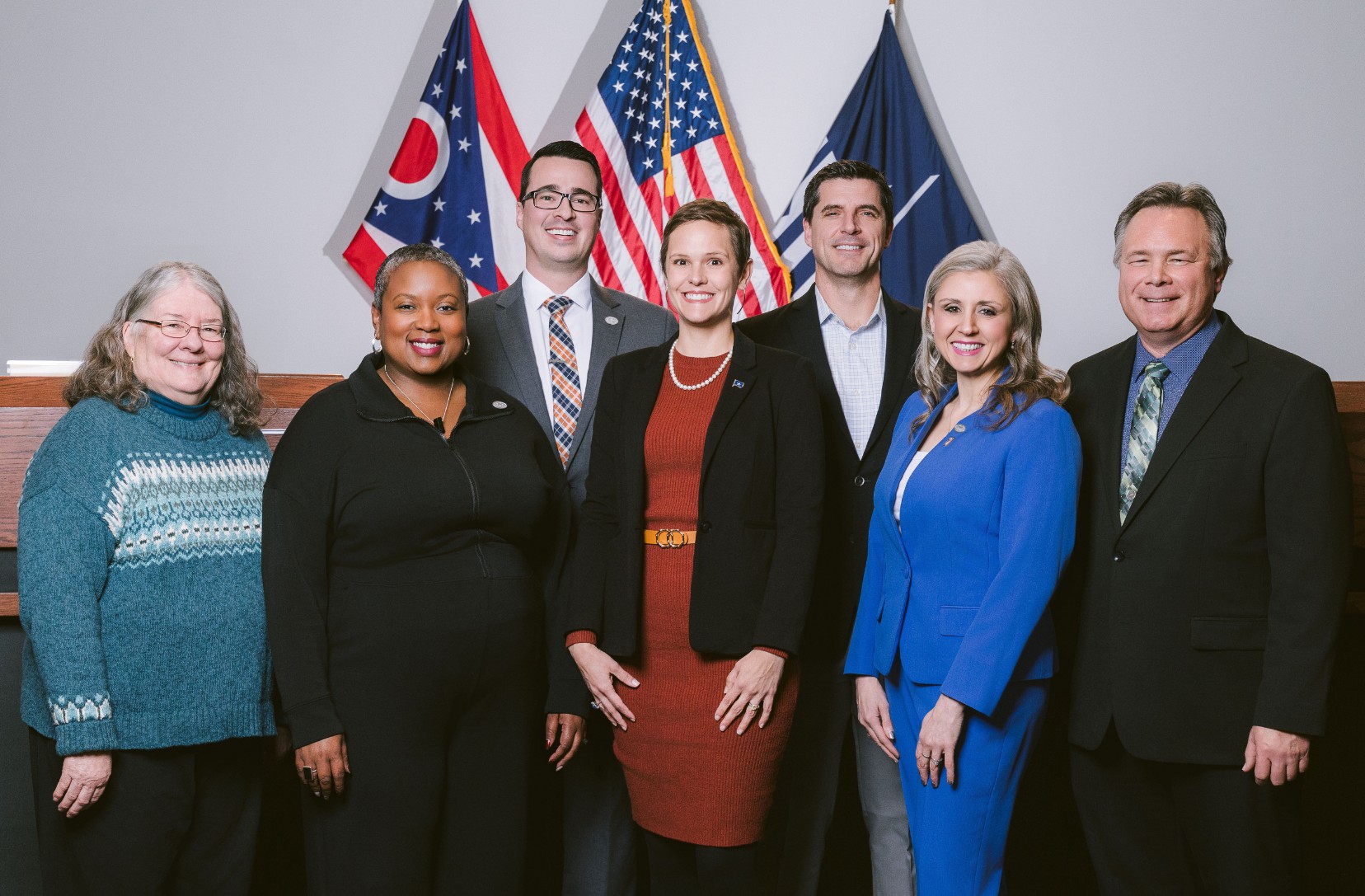
Executive Authority and Separation of Powers
The procedural debate centers on whether City Council can establish rules that influence how the chief executive delivers ceremonial proclamations in Council Chambers. Under the Gahanna City Charter, the executive and legislative branches operate independently, designating the mayor as the municipality's chief executive and official and ceremonial head.
Mayor Jadwin expressed appreciation for initial revisions but raised objections to rules requiring joint approval or prior committee screening for mayoral proclamations. Mayor Jadwin stated that requiring agreement on a joint resolution or subjecting a mayoral proclamation to Council approval would allow one branch of government to control the speech or expression of another. She stated that differing viewpoints formed part of democratic government and that the Mayor should retain the ability to issue proclamations independently.
Jadwin emphasized that proclamations serve as an executive communication tool with residents. While she offered to provide council members with advance copies as a courtesy before agenda publication, she rejected submitting mayoral proclamations to legislative vetting. She stated that she and Council did not report to one another and that their respective authority should remain separate.
Conflicting Views Across Council Dais
Council Vice President Jamille Jones, who sponsored the research materials under item 2026-0148, sought to formalize guidelines for chamber recognitions. Vice President Jones clarified that approximately 90 percent of the memorandum documented existing practices and that only the portions shown in red represented new provisions. Jones explained that the draft aimed to establish advance visibility at Committee of the Whole rather than subject mayoral proclamations to formal council approval.
Council Member Nancy Padova suggested establishing joint resolution-proclamations for presentations inside Council Chambers, drawing inspiration from themes of unity at the new Gahanna Civic Center ribbon cutting. She stated that the approach could reduce duplicative recognitions, provide Council with awareness of recognitions presented during meetings, and allow Council to celebrate residents and their achievements together. Rather than identifying subjects Council could not recognize, she proposed requiring resolutions to align with the Strategic Plan and respect the separation of church and state. Padova noted that her proposal would not limit the mayor from issuing independent proclamations outside Council Chambers.
Other council members expressed hesitation regarding restrictions on executive presentations. Councilmember McGregor asked why the proposal would prevent the Mayor from issuing separate proclamations during Council meetings, noting the city's longstanding practice. McGregor also questioned Padova's phrasing regarding church and state, noting constitutional establishment protections. When leadership outlined procedural paths forward, Councilmember McGregor stated that she was comfortable with that option of leaving existing practices unchanged.
Council Member Stephen Renner said the rules should concentrate strictly on council's own work rather than executive expression. Renner said that recognitions can expose residents to differing viewpoints and agreed that advance notice from the administration would be helpful as a courtesy, but stated that it should not become a mandatory procedural requirement.
Council Member Michael Schnetzer urged council to keep its own ceremonial recognitions focused to prevent community friction. Councilmember Schnetzer stated that ceremonial resolutions were elective and did not initiate essential City operations. He stated that Council should seek to avoid causing distress through such resolutions. Schnetzer suggested narrowing council resolutions representing the full city to meritorious service and exceptional achievements that foster civic pride, noting that elected officials have separate avenues, including council comments and social media, to convey individual messages.
Drafting Underway Ahead of Committee Return
The drafting effort remains with Council Vice President Jones and the Clerk of Council as they work to address separation-of-powers questions raised by the administration and council members.
Because neither the Sept. 28 Committee of the Whole nor the Special Council meeting took up item 2026-0148, any formal amendments to the Council Rules of Procedure will await a future committee agenda. If finalized, the proposed rules must return to the Committee of the Whole for public review before reaching the full council for a binding vote.
Video0:39
More than two weeks after Gahanna City Council debated proposed changes to its procedural rules governing ceremonial recognitions, the measure remains in drafting without revised text before the public. During a Sept. 14 Committee of the Whole meeting, Mayor Laurie Jadwin and council leaders addressed the boundary between council chamber proceedings and executive authority, examining whether mayoral proclamations presented during council sessions should undergo advance legislative review.
Follow-up research confirms that as of early October 2026, item 2026-0148 has not reappeared on municipal dockets. Official agendas for the subsequent Sept. 28 Committee of the Whole and Special Council meetings contained no proposed rule language or scheduled hearings on the matter. Following the mid-September discussion, the item was filed after Vice President Jones stated that she would take the discussion and feedback, work with the Clerk of Council to incorporate the provisions into the Council Rules and return the matter for Committee of the Whole discussion and a subsequent vote.
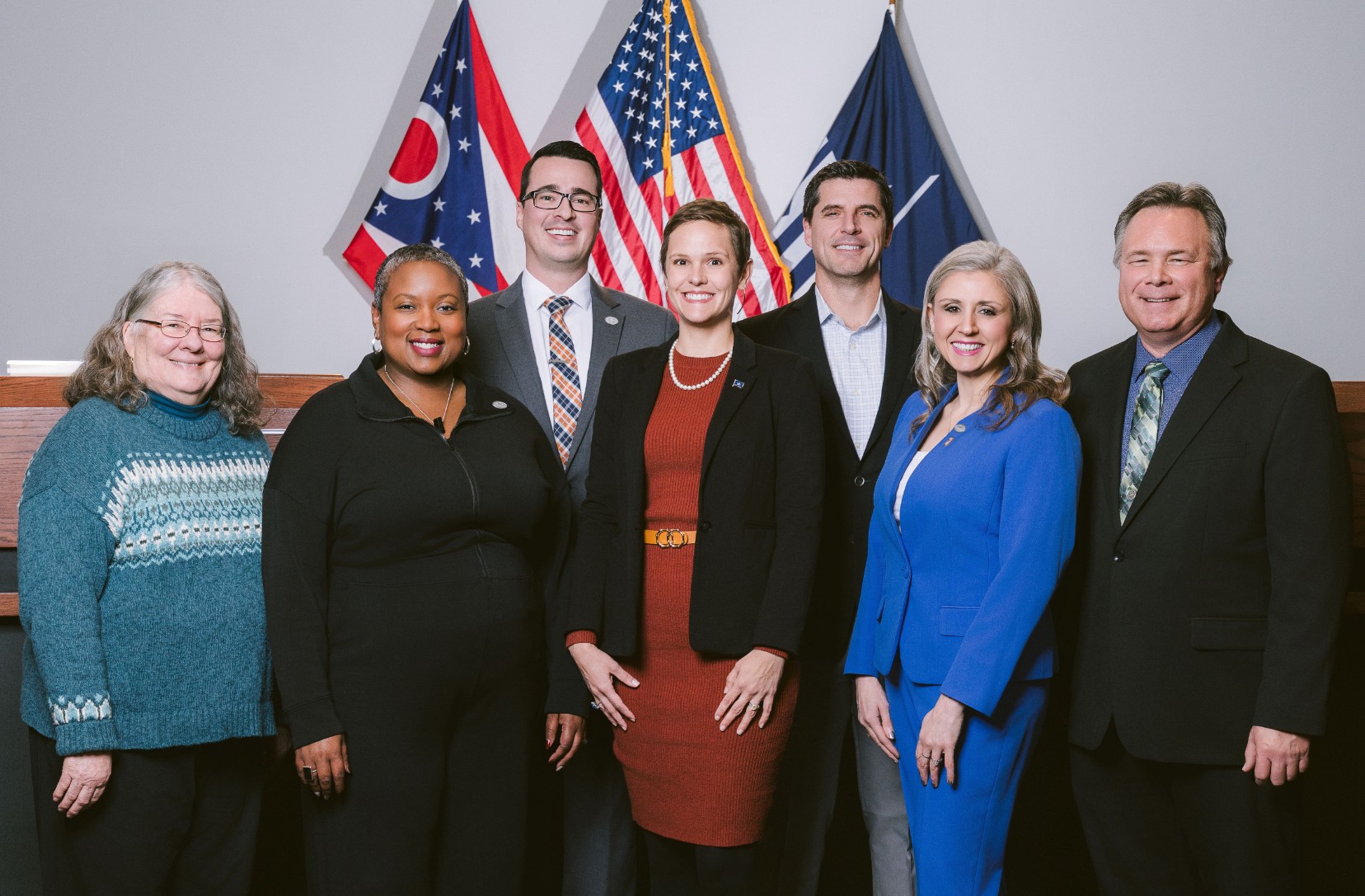
Executive Authority and Separation of Powers
The procedural debate centers on whether City Council can establish rules that influence how the chief executive delivers ceremonial proclamations in Council Chambers. Under the Gahanna City Charter, the executive and legislative branches operate independently, designating the mayor as the municipality's chief executive and official and ceremonial head.
Mayor Jadwin expressed appreciation for initial revisions but raised objections to rules requiring joint approval or prior committee screening for mayoral proclamations. Mayor Jadwin stated that requiring agreement on a joint resolution or subjecting a mayoral proclamation to Council approval would allow one branch of government to control the speech or expression of another. She stated that differing viewpoints formed part of democratic government and that the Mayor should retain the ability to issue proclamations independently.
Jadwin emphasized that proclamations serve as an executive communication tool with residents. While she offered to provide council members with advance copies as a courtesy before agenda publication, she rejected submitting mayoral proclamations to legislative vetting. She stated that she and Council did not report to one another and that their respective authority should remain separate.
Conflicting Views Across Council Dais
Council Vice President Jamille Jones, who sponsored the research materials under item 2026-0148, sought to formalize guidelines for chamber recognitions. Vice President Jones clarified that approximately 90 percent of the memorandum documented existing practices and that only the portions shown in red represented new provisions. Jones explained that the draft aimed to establish advance visibility at Committee of the Whole rather than subject mayoral proclamations to formal council approval.
Council Member Nancy Padova suggested establishing joint resolution-proclamations for presentations inside Council Chambers, drawing inspiration from themes of unity at the new Gahanna Civic Center ribbon cutting. She stated that the approach could reduce duplicative recognitions, provide Council with awareness of recognitions presented during meetings, and allow Council to celebrate residents and their achievements together. Rather than identifying subjects Council could not recognize, she proposed requiring resolutions to align with the Strategic Plan and respect the separation of church and state. Padova noted that her proposal would not limit the mayor from issuing independent proclamations outside Council Chambers.
Other council members expressed hesitation regarding restrictions on executive presentations. Councilmember McGregor asked why the proposal would prevent the Mayor from issuing separate proclamations during Council meetings, noting the city's longstanding practice. McGregor also questioned Padova's phrasing regarding church and state, noting constitutional establishment protections. When leadership outlined procedural paths forward, Councilmember McGregor stated that she was comfortable with that option of leaving existing practices unchanged.
Council Member Stephen Renner said the rules should concentrate strictly on council's own work rather than executive expression. Renner said that recognitions can expose residents to differing viewpoints and agreed that advance notice from the administration would be helpful as a courtesy, but stated that it should not become a mandatory procedural requirement.
Council Member Michael Schnetzer urged council to keep its own ceremonial recognitions focused to prevent community friction. Councilmember Schnetzer stated that ceremonial resolutions were elective and did not initiate essential City operations. He stated that Council should seek to avoid causing distress through such resolutions. Schnetzer suggested narrowing council resolutions representing the full city to meritorious service and exceptional achievements that foster civic pride, noting that elected officials have separate avenues, including council comments and social media, to convey individual messages.
Drafting Underway Ahead of Committee Return
The drafting effort remains with Council Vice President Jones and the Clerk of Council as they work to address separation-of-powers questions raised by the administration and council members.
Because neither the Sept. 28 Committee of the Whole nor the Special Council meeting took up item 2026-0148, any formal amendments to the Council Rules of Procedure will await a future committee agenda. If finalized, the proposed rules must return to the Committee of the Whole for public review before reaching the full council for a binding vote.
How we know this
The sources and records behind this story, with the facts they support.
Committee of the Whole · 2026-09-28
Supporting evidence (1)
Official agendas for the subsequent Sept. 28 Committee of the Whole and Special Council meetings contained no proposed rule language or scheduled hearings on the matter.
Read supporting passage
ORD-0038-2026 · AN ORDINANCE ADOPTING THE 2027-2031 CITY OF GAHANNA CAPITAL IMPROVEMENT PLAN, SUPERSEDING ALL PRIOR CAPITAL IMPROVEMENT PLANS, AND PROVIDING FOR FUTURE SUNSET
City Council - Special · 2026-09-28
Supporting evidence (1)
Official agendas for the subsequent Sept. 28 Committee of the Whole and Special Council meetings contained no proposed rule language or scheduled hearings on the matter.
Read supporting passage
A motion to enter Executive Session under authority of Section 5.05(C) of the Council Rules of Procedure to confer with the City Attorney for the public body concerning disputes involving the public body that are the subject of pending or imminent court action.
Committee of the Whole · 2026-09-14
Supporting evidence (9)
Following the mid-September discussion, the item was filed after Vice President Jones stated that she would take the discussion and feedback, work with the Clerk of Council to incorporate the provisions into the Council Rules and return the matter for Committee of the Whole discussion and a subsequent vote.
Read supporting passage
Vice President Jones stated that she would take the discussion and feedback, work with the Clerk of Council to incorporate the provisions into the Council Rules and return the matter for Committee of the Whole discussion and a subsequent vote.
Mayor Jadwin stated that requiring agreement on a joint resolution or subjecting a mayoral proclamation to Council approval would allow one branch of government to control the speech or expression of another.
Read supporting passage
Mayor Jadwin stated that requiring agreement on a joint resolution or subjecting a mayoral proclamation to Council approval would allow one branch of government to control the speech or expression of another. She stated that differing viewpoints formed part of democratic government and that the Mayor should retain the ability to issue proclamations independently.
She stated that she and Council did not report to one another and that their respective authority should remain separate.
Vice President Jones clarified that approximately 90 percent of the memorandum documented existing practices and that only the portions shown in red represented new provisions.
She stated that the approach could reduce duplicative recognitions, provide Council with awareness of recognitions presented during meetings, and allow Council to celebrate residents and their achievements together.
Rather than identifying subjects Council could not recognize, she proposed requiring resolutions to align with the Strategic Plan and respect the separation of church and state.
Councilmember McGregor asked why the proposal would prevent the Mayor from issuing separate proclamations during Council meetings, noting the city's longstanding practice.
Read supporting passage
Councilmember McGregor asked why the proposal would prevent the Mayor from issuing separate proclamations during Council meetings
When leadership outlined procedural paths forward, Councilmember McGregor stated that she was comfortable with that option of leaving existing practices unchanged.
Read supporting passage
Vice President Jones asked Council how it wished to proceed and noted that leaving the current process unchanged remained an option. Councilmember McGregor stated that she was comfortable with that option.
Councilmember Schnetzer stated that ceremonial resolutions were elective and did not initiate essential City operations.
Read supporting passage
Councilmember Schnetzer stated that ceremonial resolutions were elective and did not initiate essential City operations. He stated that Council should seek to avoid causing distress through such resolutions.