
Columbus City Council considers emergency retention pond rules after child drownings
Proposed measures heading to a Nov. 2 vote would mandate 15-foot unmowed vegetation buffers and standalone tenant disclosures across apartment complexes.
Columbus City Council is considering stricter safety regulations for retention ponds after 10 children drowned in the ponds since 2019, including three in 2026. Council President Pro Tempore Rob Dorans, who led the public hearing, has pushed for additional restrictions for nearly two years. The council will vote on the emergency measures at its meeting on Monday, Nov. 2, and the rules would take effect immediately if approved.
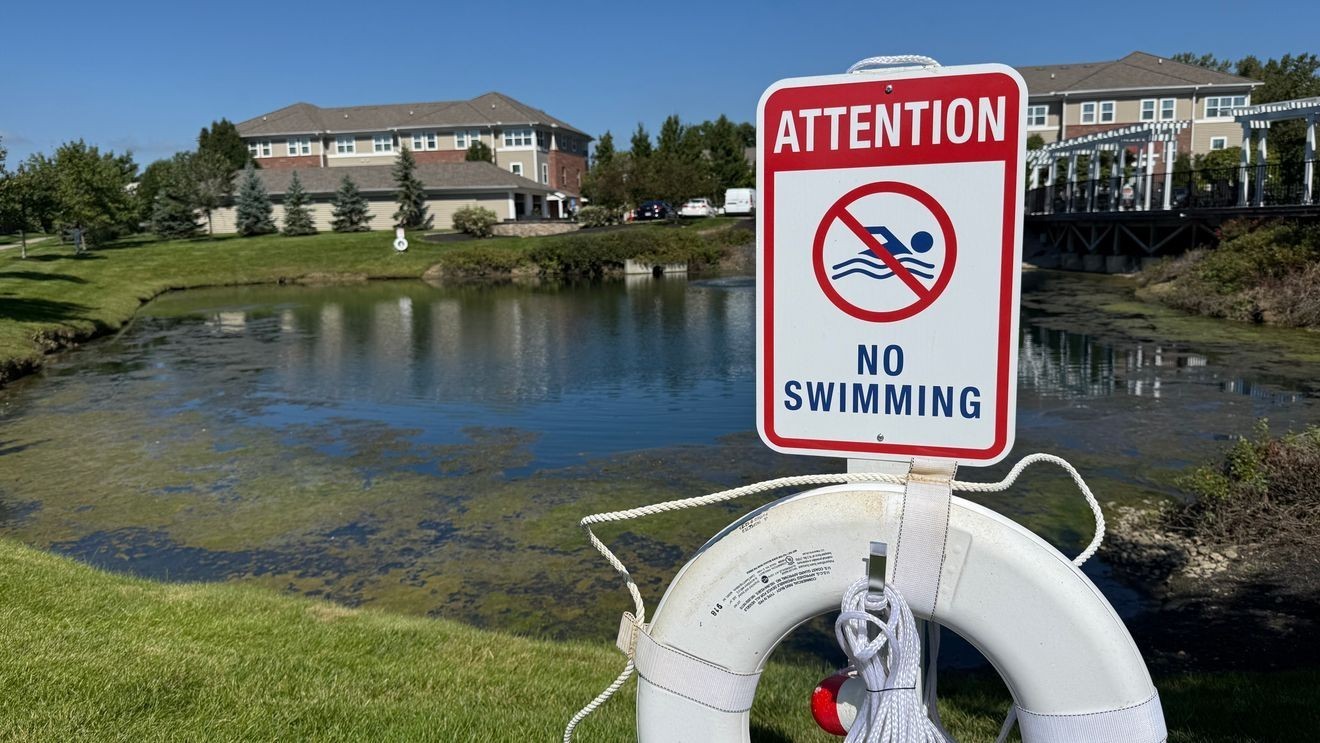
A lifesaving buoy and warning sign stand beside a residential retention pond at a north Columbus apartment complex, where child drownings have spurred City Council safety proposals.
Credit: WSYX Image source
Limits of existing warning mandates
The push for stricter mandates follows two toddler drownings at central Ohio apartment complexes during the summer of 2026, prompting renewed calls from community members and city leaders for physical protections around open water retention basins. On the west side, a memorial for a 2-year-old girl who drowned in July sits next to a pond at an apartment complex. A child walked out of a nearby apartment and his body was found roughly six hours after he was reported missing.
The city's 2024 rules require signage and life-saving rings around ponds, as well as annual reminders to tenants about retention pond safety risks. At both apartment pond scenes, warning signs or life-saving rings were present. Safety advocates have pointed out that warning signs cannot stop a mobile toddler from reaching deep water.
Dorans stated that as a parent of a young child, he knows keeping watch 24 hours a day is nearly impossible. He emphasized that families need clear and proactive warnings about the severe hazards posed by neighborhood retention basins.
Proposed emergency rules: Vegetation and disclosures
To establish immediate safeguards without waiting for lengthy construction, council leaders unveiled two emergency measures for the Nov. 2 vote. One proposed change would require properties to leave unmowed vegetation buffers of 15 feet around retention ponds. Senior Policy Advisor Kevin McCain said the taller vegetation could serve as a physical barrier to help slow down young children before they reach the water. City officials noted that establishing unmowed natural buffers offers a rapid intervention that apartment communities can implement without the permitting and supply delays associated with structural construction.
Another proposal would strengthen requirements for notifying residents about potential dangers by requiring a standalone document and a posted notice in a common area. Another proposed measure would require property owners to provide tenants with pond safety information in separate, readable disclosures. Officials stressed that critical warnings are too easily lost when buried within standard multi-page lease paperwork.
Broader public health impact and fencing plans
Columbus currently contains more than 100 residential retention ponds, which are designed to help prevent flooding.
City plans also call for adding a requirement for a bench or fencing by the end of 2026. Council members and community advocates plan to evaluate barrier design options over the coming months to develop long-term physical fencing mandates.
What the measures mean for apartment managers and central Ohio families
For apartment complexes, property managers, and housing developers across central Ohio, the pending council vote signals immediate operational adjustments. If council passes the emergency ordinance on Nov. 2, landscaping crews will immediately need to adjust maintenance boundaries to keep a 15-foot buffer of unmowed vegetation along pond shorelines. Property owners will have to notify maintenance staff and contracted landscaping services to mark out the protective buffer zones.
Property managers will also need to update tenant leasing packets with separate, conspicuous disclosures detailing retention pond hazards, ensuring new residents review the safety materials before move-in. At the same time, central Ohio families and housing providers will be preparing for council's planned debate over mandatory physical fencing before the end of the year.
Video Watch video 0:46
How we know this
The sources and records behind this story, with the facts they support.
Supporting evidence (8)
Columbus City Council is considering stricter safety regulations for retention ponds after 10 children drowned in the ponds since 2019, including three in 2026.
Read supporting passage
Columbus City Council is considering stricter safety regulations for retention ponds after 10 children have drowned in the ponds since 2019, including three in 2026.
The council will vote on the emergency measures at its meeting on Monday, Nov. 2, and the rules would take effect immediately if approved.
Read supporting passage
Council will vote on the emergency measures at it's November 2 meeting. If approved, the new rules would take effect immediately.
A child walked out of a nearby apartment and his body was found roughly six hours after he was reported missing.
Read supporting passage
Mbo walked out of his family’s nearby apartment and his body was found roughly six hours after he was reported missing.
Dorans stated that as a parent of a young child, he knows keeping watch 24 hours a day is nearly impossible.
Read supporting passage
Having a young kid myself, I know that it is nearly impossible to keep your eye on your child 24 hours a day
One proposed change would require properties to leave unmowed vegetation buffers of 15 feet around retention ponds.
Read supporting passage
One proposed change would require properties to leave 15 feet of existing grass or vegetation unmowed around retention ponds.
Senior Policy Advisor Kevin McCain said the taller vegetation could serve as a physical barrier to help slow down young children before they reach the water.
Another proposal would strengthen requirements for notifying residents about potential dangers by requiring a standalone document and a posted notice in a common area.
Read supporting passage
Another proposal would strengthen requirements for notifying residents about potential dangers. Current rules already require notices, but the proposed changes would require a standalone document and a posted notice in a common area.
City plans also call for adding a requirement for a bench or fencing by the end of 2026.
https://www.yahoo.com/news/articles/columbus-city-council-seeks-public-102027408.html
Supporting evidence (6)
Council President Pro Tempore Rob Dorans, who led the public hearing, has pushed for additional restrictions for nearly two years.
Read supporting passage
Council President Pro Tem Rob Dorans, who led the public hearing, has pushed for additional restrictions for nearly two years.
On the west side, a memorial for a 2-year-old girl who drowned in July sits next to a pond at an apartment complex.
Read supporting passage
On the west side, a memorial for a 2-year-old girl who drowned in July still sits next to a pond at an apartment complex.
The city's 2024 rules require signage and life-saving rings around ponds, as well as annual reminders to tenants about retention pond safety risks.
Read supporting passage
The 2024 rules require signage and life-saving rings around ponds. They also require property owners to provide tenants with annual reminders about the safety risks associated with retention ponds.
At both apartment pond scenes, warning signs or life-saving rings were present.
Read supporting passage
At both scenes, warning signs or life-saving rings were present.
Another proposed measure would require property owners to provide tenants with pond safety information in separate, readable disclosures.
Read supporting passage
Another proposed measure would require property owners to provide tenants with pond safety information in a separate document that's easy for tenants to read.
Columbus currently contains more than 100 residential retention ponds, which are designed to help prevent flooding.
Read supporting passage
Columbus has more than 100 residential retention ponds, which are designed to help prevent flooding.