Ohio Forms Task Force After Hundreds of Agencies Fail to Report Sexual Assault Kits
State leaders and central Ohio officials join a task force to fix tracking gaps after more than 900 agencies failed to submit annual kit data.
Ohio Attorney General Andy Wilson has created a 17-member working group to review and streamline sexual assault evidence kit reporting across the state, after more than 900 agencies failed to submit mandated annual kit data for 2025.
The initiative brings together state leaders, central Ohio prosecutors, law enforcement executives and forensic healthcare specialists to diagnose reporting obstacles and propose statutory changes before the Ohio General Assembly concludes its year-end session.
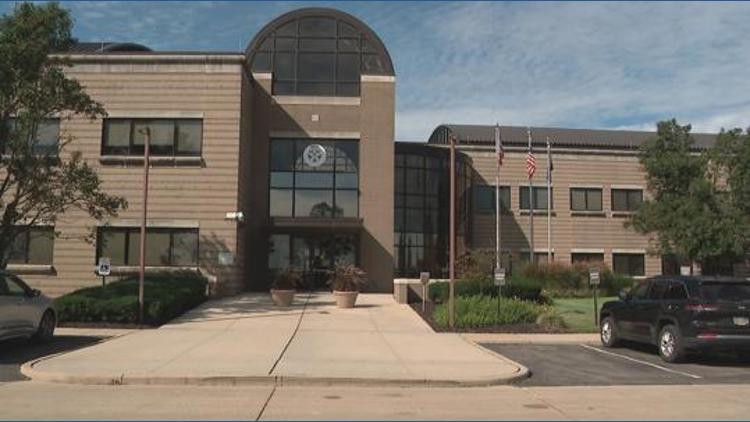
“The focus of this working group is to recommend improvements to the General Assembly for streamlining the reporting of this critical data,” Wilson announced. “The current process is cumbersome and ineffective. This group will study the best path forward to improve data collection and agency participation.”
Statutory Mandates and Administrative Gaps
Under Ohio law, government agencies that receive, maintain, store or preserve sexual assault evidence kits must submit relevant data to the Ohio Attorney General’s Office, which is required to compile the information into an annual report. The tracking mandate aims to provide statewide transparency, protect chain of custody, and ensure evidence does not languish in local storage.
State records revealed that more than 900 Ohio law enforcement agencies and hospitals failed to report kit data for 2025.
Officials emphasized that these figures reflect an administrative compliance gap rather than a testing backlog at forensic crime labs. Almost a decade ago, then-Attorney General Mike DeWine initiated an effort that eliminated a historic backlog of untested kits by 2019. However, current tracking confusion has surfaced at local departments.
“You have two different types of backlogs: you have a backlog that's created at the local police department because they're not getting the rape kit out to a crime lab,” DeWine said. “It's not clear exactly what should be reported and it's not easy to report it. So we have to come up with something that is clear but it's also easy for the police departments.”
By statute, police do not have to report any information if they did not collect, store or retrieve any biological evidence in the course of a sexual assault investigation. When agencies handling zero kits submit no filing instead of an affirmative zero-evidence report, the state cannot determine whether an agency had no evidence or simply ignored the requirement.
Central Ohio Representation
The 17-member panel includes key central Ohio leadership:
- Elaine Bryant, chief, Columbus Division of Police
- Sheree Ford, clinical nurse manager for forensics, OhioHealth
- Jenny Wells, prosecuting attorney, Licking County
- John Swaney, sheriff, Madison County
The working group is co-chaired by Wilson's senior adviser Kristen Slaper and Deputy Attorney General James Lowe. Members also include Rosa Beltré, president and CEO of the Ohio Alliance to End Sexual Violence, and representatives from the Ohio Hospital Association, the Forensic Nursing Network, and the Buckeye State Sheriffs’ Association.
Survivor Dignity and Criminal Justice Stakes
Advocates and state lawmakers stressed that accurate evidence accounting is essential for survivor dignity and public safety.
Senate Minority Leader Nickie Antonio noted that Ohio recorded roughly 3,800 sexual assaults in 2025 and criticized the reporting breakdown. “It boggles your mind, especially when we went through this, when we went through the backlog and everybody put their hands up and said, 'oh this will never happen again,'” Antonio said. “Clearly there is going to have to be some kind of timeframe, there's going to have to be some kind of consequence when it's not done.”
Antonio emphasized that the state must investigate why agencies did not comply: “Should we take responsibility? Absolutely,” Antonio said, adding that the state needs clarity on how departments interpreted their duties.
Advocates with the Ohio Alliance to End Sexual Violence pointed out that rigorous tracking respects the trauma survivors experience during evidence collection.
“We want to make sure, from our end, that survivors continue to be at the center,” said Taylr Ucker-Lauderman of the alliance. “They've already been through enough, if they're going to go through the time, the energy, something else with their body again to deal with a sexual assault kit we really want there to be a responsible and respectful use of that kit.”
Ucker-Lauderman noted that timely processing can connect serial offenses even if a survivor declines immediate prosecution: “Even if something doesn't move forward with their case, by their choice or by some other reason, their kit could affect other cases in the future, or in the past,” she said.
Next Steps
Wilson and DeWine indicated that those findings will guide legislative updates during the General Assembly's post-election session, clarifying reporting obligations and simplifying submission protocols across Ohio.
Video0:38
Ohio Attorney General Andy Wilson has created a 17-member working group to review and streamline sexual assault evidence kit reporting across the state, after more than 900 agencies failed to submit mandated annual kit data for 2025.
The initiative brings together state leaders, central Ohio prosecutors, law enforcement executives and forensic healthcare specialists to diagnose reporting obstacles and propose statutory changes before the Ohio General Assembly concludes its year-end session.
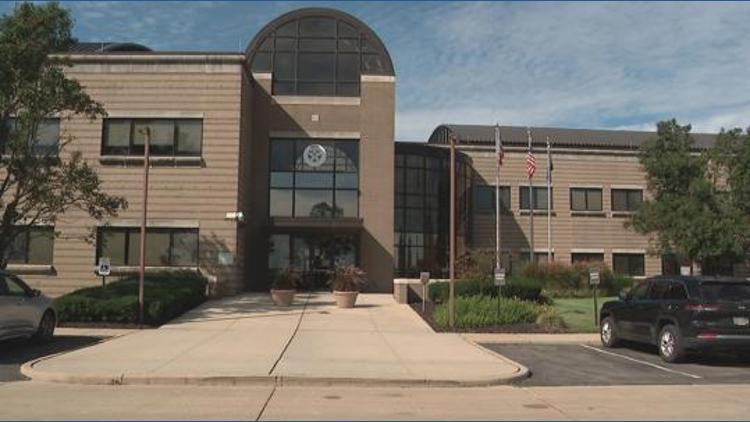
“The focus of this working group is to recommend improvements to the General Assembly for streamlining the reporting of this critical data,” Wilson announced. “The current process is cumbersome and ineffective. This group will study the best path forward to improve data collection and agency participation.”
Statutory Mandates and Administrative Gaps
Under Ohio law, government agencies that receive, maintain, store or preserve sexual assault evidence kits must submit relevant data to the Ohio Attorney General’s Office, which is required to compile the information into an annual report. The tracking mandate aims to provide statewide transparency, protect chain of custody, and ensure evidence does not languish in local storage.
State records revealed that more than 900 Ohio law enforcement agencies and hospitals failed to report kit data for 2025.
Officials emphasized that these figures reflect an administrative compliance gap rather than a testing backlog at forensic crime labs. Almost a decade ago, then-Attorney General Mike DeWine initiated an effort that eliminated a historic backlog of untested kits by 2019. However, current tracking confusion has surfaced at local departments.
“You have two different types of backlogs: you have a backlog that's created at the local police department because they're not getting the rape kit out to a crime lab,” DeWine said. “It's not clear exactly what should be reported and it's not easy to report it. So we have to come up with something that is clear but it's also easy for the police departments.”
By statute, police do not have to report any information if they did not collect, store or retrieve any biological evidence in the course of a sexual assault investigation. When agencies handling zero kits submit no filing instead of an affirmative zero-evidence report, the state cannot determine whether an agency had no evidence or simply ignored the requirement.
Central Ohio Representation
The 17-member panel includes key central Ohio leadership:
- Elaine Bryant, chief, Columbus Division of Police
- Sheree Ford, clinical nurse manager for forensics, OhioHealth
- Jenny Wells, prosecuting attorney, Licking County
- John Swaney, sheriff, Madison County
The working group is co-chaired by Wilson's senior adviser Kristen Slaper and Deputy Attorney General James Lowe. Members also include Rosa Beltré, president and CEO of the Ohio Alliance to End Sexual Violence, and representatives from the Ohio Hospital Association, the Forensic Nursing Network, and the Buckeye State Sheriffs’ Association.
Survivor Dignity and Criminal Justice Stakes
Advocates and state lawmakers stressed that accurate evidence accounting is essential for survivor dignity and public safety.
Senate Minority Leader Nickie Antonio noted that Ohio recorded roughly 3,800 sexual assaults in 2025 and criticized the reporting breakdown. “It boggles your mind, especially when we went through this, when we went through the backlog and everybody put their hands up and said, 'oh this will never happen again,'” Antonio said. “Clearly there is going to have to be some kind of timeframe, there's going to have to be some kind of consequence when it's not done.”
Antonio emphasized that the state must investigate why agencies did not comply: “Should we take responsibility? Absolutely,” Antonio said, adding that the state needs clarity on how departments interpreted their duties.
Advocates with the Ohio Alliance to End Sexual Violence pointed out that rigorous tracking respects the trauma survivors experience during evidence collection.
“We want to make sure, from our end, that survivors continue to be at the center,” said Taylr Ucker-Lauderman of the alliance. “They've already been through enough, if they're going to go through the time, the energy, something else with their body again to deal with a sexual assault kit we really want there to be a responsible and respectful use of that kit.”
Ucker-Lauderman noted that timely processing can connect serial offenses even if a survivor declines immediate prosecution: “Even if something doesn't move forward with their case, by their choice or by some other reason, their kit could affect other cases in the future, or in the past,” she said.
Next Steps
Wilson and DeWine indicated that those findings will guide legislative updates during the General Assembly's post-election session, clarifying reporting obligations and simplifying submission protocols across Ohio.
How we know this
The sources and records behind this story, with the facts they support.
Ohio attorney general investigating sexual assault kit data
Supporting evidence (1)
Ohio Attorney General Andy Wilson has created a 17-member working group to review and streamline sexual assault evidence kit reporting across the state, after more than 900 agencies failed to submit mandated annual kit data for 2025.
Read supporting passage
Ohio law requires hospital and law enforcement agencies to report sexual assault kit data to the attorney general’s office, but a report found more than 900 agencies
Supporting evidence (7)
“The focus of this working group is to recommend improvements to the General Assembly for streamlining the reporting of this critical data,” Wilson announced.
Read supporting passage
Under Ohio law, government agencies that receive, maintain, store or preserve sexual assault evidence kits must submit relevant data to the Ohio Attorney General’s Office, which is required to compile the information into an annual report.
Under Ohio law, government agencies that receive, maintain, store or preserve sexual assault evidence kits must submit relevant data to the Ohio Attorney General’s Office, which is required to compile the information into an annual report.
Elaine Bryant, chief, Columbus Division of Police
Read supporting passage
Under Ohio law, government agencies that receive, maintain, store or preserve sexual assault evidence kits must submit relevant data to the Ohio Attorney General’s Office, which is required to compile the information into an annual report.
Sheree Ford, clinical nurse manager for forensics, OhioHealth
Read supporting passage
Under Ohio law, government agencies that receive, maintain, store or preserve sexual assault evidence kits must submit relevant data to the Ohio Attorney General’s Office, which is required to compile the information into an annual report.
Jenny Wells, prosecuting attorney, Licking County
Read supporting passage
Under Ohio law, government agencies that receive, maintain, store or preserve sexual assault evidence kits must submit relevant data to the Ohio Attorney General’s Office, which is required to compile the information into an annual report.
John Swaney, sheriff, Madison County
Read supporting passage
Under Ohio law, government agencies that receive, maintain, store or preserve sexual assault evidence kits must submit relevant data to the Ohio Attorney General’s Office, which is required to compile the information into an annual report.
The working group will hold its first meeting in the coming weeks and issue a report and recommendations by the end of the year.
Read supporting passage
Under Ohio law, government agencies that receive, maintain, store or preserve sexual assault evidence kits must submit relevant data to the Ohio Attorney General’s Office, which is required to compile the information into an annual report.
https://www.yahoo.com/news/politics/articles/dewine-calls-lawmakers-rewrite-rape-223000191.html
Supporting evidence (6)
State records revealed that more than 900 Ohio law enforcement agencies and hospitals failed to report kit data for 2025.
Read supporting passage
You have two different types of backlogs: you have a backlog that's created at the local police department because they're not getting the rape kit out to a crime lab
“You have two different types of backlogs: you have a backlog that's created at the local police department because they're not getting the rape kit out to a crime lab,” DeWine said.
Read supporting passage
You have two different types of backlogs: you have a backlog that's created at the local police department because they're not getting the rape kit out to a crime lab
By statute, police do not have to report any information if they did not collect, store or retrieve any biological evidence in the course of a sexual assault investigation.
Read supporting passage
You have two different types of backlogs: you have a backlog that's created at the local police department because they're not getting the rape kit out to a crime lab
“It boggles your mind, especially when we went through this, when we went through the backlog and everybody put their hands up and said, 'oh this will never happen again,'” Antonio said.
Read supporting passage
You have two different types of backlogs: you have a backlog that's created at the local police department because they're not getting the rape kit out to a crime lab
Absolutely,” Antonio said, adding that the state needs clarity on how departments interpreted their duties.
Read supporting passage
You have two different types of backlogs: you have a backlog that's created at the local police department because they're not getting the rape kit out to a crime lab
Ucker-Lauderman noted that timely processing can connect serial offenses even if a survivor declines immediate prosecution: “Even if something doesn't move forward with their case, by their choice or by some other reason, their kit could affect other cases in the future, or in the past,” she said.
Read supporting passage
You have two different types of backlogs: you have a backlog that's created at the local police department because they're not getting the rape kit out to a crime lab