Upper Arlington Proposes Judicial Oversight and Tiered Rules for Police License Plate Searches
Ordinance 38-2026 assigns Mayor's Court magistrates to review historical Flock queries under a probable cause warrant standard.
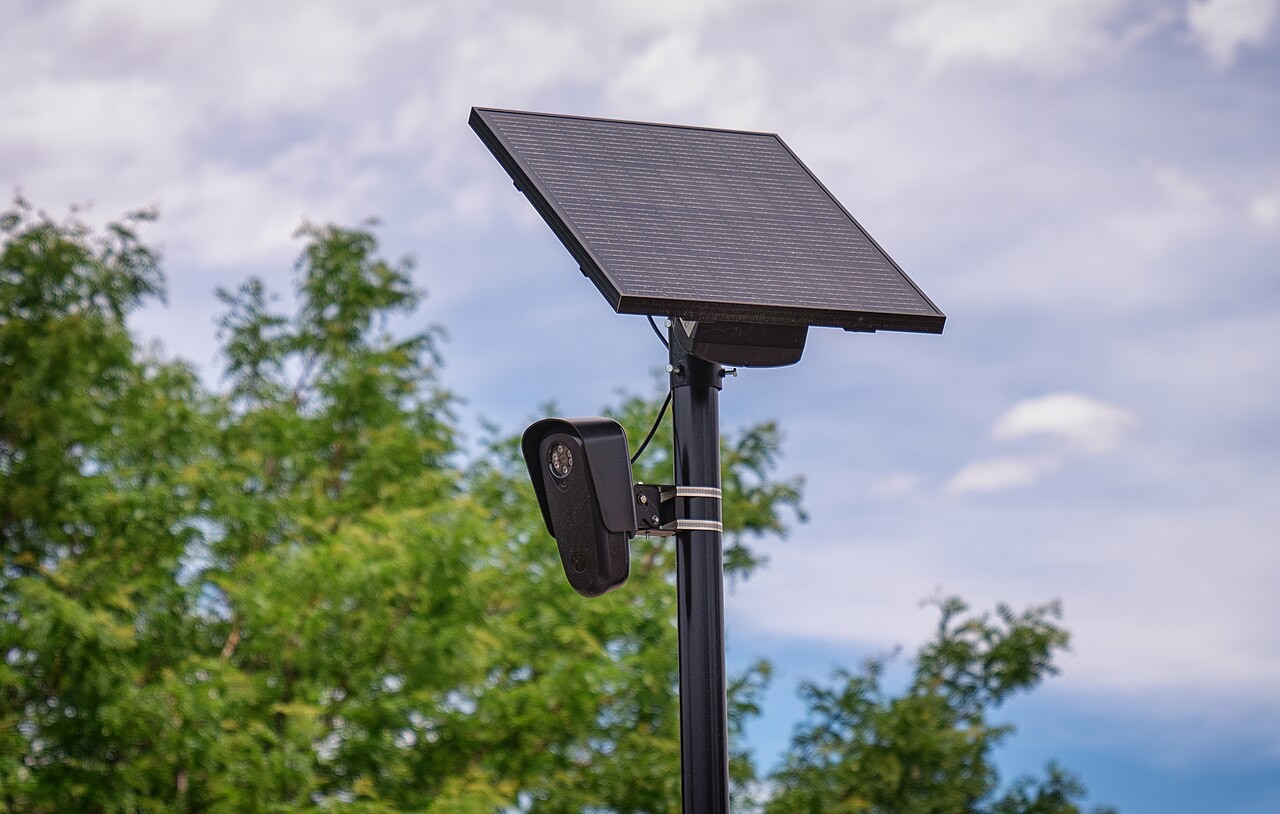
Upper Arlington City Council is scheduled to introduce Ordinance No. 38-2026 on Oct. 5, 2026, establishing magisterial and judicial oversight requirements for automated license plate reader (ALPR) database queries alongside an overhaul of Upper Arlington Police Division Policy 303.18 agenda memo).
The proposed legislation creates Section 143.39 of the Upper Arlington Codified Ordinances and updates Section 171.01. Rather than addressing traffic fines or citations, the measure amends court rules so that Mayor's Court magistrates serve as judicial oversight officers reviewing police requests to search historical license plate data under a search-warrant probable cause standard magistrate role).
City Attorney Darren Shulman and Police Chief Keith Hall crafted the proposal to balance swift investigative responses during initial calls for service with Fourth Amendment safeguards against warrantless electronic tracking oversight structure).
Three-Tiered Search Framework
Under Ordinance 38-2026 and revised Police Division Policy 303.18, Upper Arlington is establishing a three-tiered access architecture that restricts search capabilities as scanned data ages access tiers).
- Tier 1 (0–2 days / 48 hours): Authorized officers may query license plate scan records from the preceding 48 hours without supervisory or judicial approval for legitimate law enforcement purposes tier 1 access). Officials noted that recent ALPR data is often most valuable during the initial stages of an investigation, when officers are attempting to quickly identify a suspect vehicle, locate a missing person, recover a stolen vehicle, or develop immediate investigative leads).
- Tier 2 (Days 3–8): Searches spanning three to eight days are restricted to Criminal Investigations Bureau (CIB) personnel supporting an active investigation or officers who obtain prior authorization from a UAPD Supervisor with the rank of Sergeant or above). The supervisor must independently confirm a legitimate law enforcement purpose and ensure regulatory compliance supervisory check).
- Tier 3 (Days 9–30): Queries into data nine or more days old—or vehicle searches covering nine or more days—require formal approval from an Upper Arlington Mayor's Court magistrate, municipal court judge, or common pleas court judge tier 3 judicial). Requesting officers must submit an ALPR Search Request Form identifying the search parameters and a brief probable-cause affidavit) demonstrating that the inquiry is narrowly tailored to the investigative need magisterial standard).
Strict Retention Limits and Audits
The legislation and department policy establish strict boundaries on data storage and access logging.
Searches beyond 30 days are barred because vendor Flock Safety purges vehicle capture data after 30 days retention ceiling). Furthermore, ALPR data is not automatically retained in UAPD's computerized records). Plate scans used as evidence in an active case may be placed in an investigative case file, and completed search forms and magisterial approvals must be preserved under public records schedules evidentiary records).
To guard against improper access, the department must conduct a monthly audit of agency and network activity). Audits examine user IDs, timestamps, search terms, stated criminal justifications, outside agency activity, and adherence to judicial approval thresholds audit components). Findings are submitted to Police Chief Keith Hall, with any irregularities referred to the chief or city attorney for disciplinary action audit enforcement).
Magisterial Route Over Search Warrants
City officials explained that establishing magisterial oversight resolved legal hurdles surrounding municipal surveillance data.
In their legislative memorandum, Shulman and Hall noted that while staff considered requiring formal Fourth Amendment search warrants, municipalities face procedural barriers seeking warrants for data already contracted and maintained by city government rather than third-party companies warrant rationale). To provide comparable protections without procedural barriers, the city incorporated the warrant probable-cause standard into its magisterial review process probable cause model).
Officials selected the nine-day threshold to match the weekly schedule of Upper Arlington Mayor's Court, ensuring that there will always be a magistrate available to review one of these requests) without impeding active cases scheduling alignment). Officials also declined to create an exigent circumstances exception, noting that emergent situations fall within the 48-hour Tier 1 window and warning that exceptions could weaken departmental discipline exigent exception).
Regional Surveillance Debate
Upper Arlington’s legislative effort arrives amid intense regional scrutiny across Franklin County over Flock Safety cameras and officer conduct. Columbus paused its 66-camera network in September 2026 after discovering an officer made more than 270 unauthorized searches on a single license plate, while Reynoldsburg cancelled its vendor contract over governance concerns.
Previously, Pique reported on central Ohio surveillance debates in Grove City Weighs Criminal Penalties for Automated License Plate Reader Misuse and Worthington Halts Flock License Plate Data Sharing With Outside Police Agencies.
Following its introduction on Oct. 5, Ordinance No. 38-2026 will proceed through council committee review before a final vote.
Video0:32
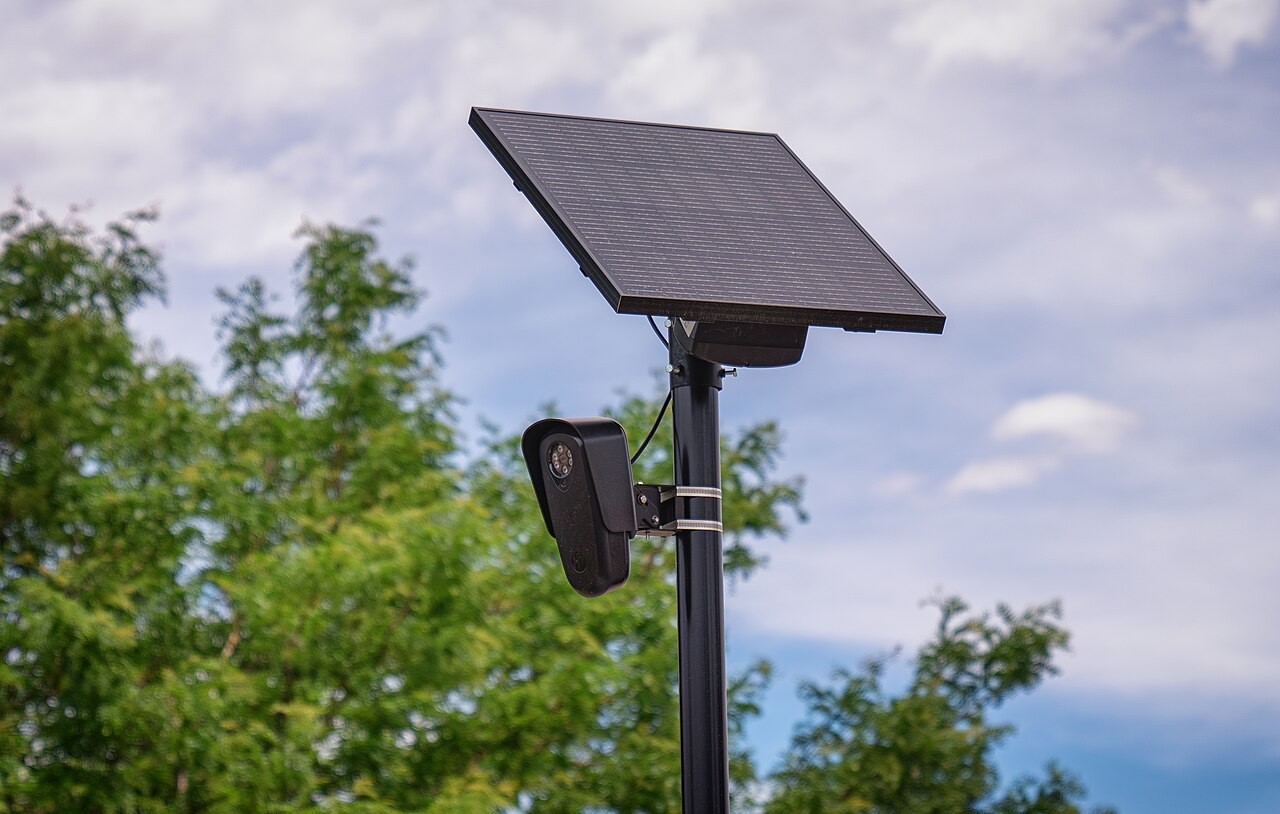
Upper Arlington City Council is scheduled to introduce Ordinance No. 38-2026 on Oct. 5, 2026, establishing magisterial and judicial oversight requirements for automated license plate reader (ALPR) database queries alongside an overhaul of Upper Arlington Police Division Policy 303.18 agenda memo).
The proposed legislation creates Section 143.39 of the Upper Arlington Codified Ordinances and updates Section 171.01. Rather than addressing traffic fines or citations, the measure amends court rules so that Mayor's Court magistrates serve as judicial oversight officers reviewing police requests to search historical license plate data under a search-warrant probable cause standard magistrate role).
City Attorney Darren Shulman and Police Chief Keith Hall crafted the proposal to balance swift investigative responses during initial calls for service with Fourth Amendment safeguards against warrantless electronic tracking oversight structure).
Three-Tiered Search Framework
Under Ordinance 38-2026 and revised Police Division Policy 303.18, Upper Arlington is establishing a three-tiered access architecture that restricts search capabilities as scanned data ages access tiers).
- Tier 1 (0–2 days / 48 hours): Authorized officers may query license plate scan records from the preceding 48 hours without supervisory or judicial approval for legitimate law enforcement purposes tier 1 access). Officials noted that recent ALPR data is often most valuable during the initial stages of an investigation, when officers are attempting to quickly identify a suspect vehicle, locate a missing person, recover a stolen vehicle, or develop immediate investigative leads).
- Tier 2 (Days 3–8): Searches spanning three to eight days are restricted to Criminal Investigations Bureau (CIB) personnel supporting an active investigation or officers who obtain prior authorization from a UAPD Supervisor with the rank of Sergeant or above). The supervisor must independently confirm a legitimate law enforcement purpose and ensure regulatory compliance supervisory check).
- Tier 3 (Days 9–30): Queries into data nine or more days old—or vehicle searches covering nine or more days—require formal approval from an Upper Arlington Mayor's Court magistrate, municipal court judge, or common pleas court judge tier 3 judicial). Requesting officers must submit an ALPR Search Request Form identifying the search parameters and a brief probable-cause affidavit) demonstrating that the inquiry is narrowly tailored to the investigative need magisterial standard).
Strict Retention Limits and Audits
The legislation and department policy establish strict boundaries on data storage and access logging.
Searches beyond 30 days are barred because vendor Flock Safety purges vehicle capture data after 30 days retention ceiling). Furthermore, ALPR data is not automatically retained in UAPD's computerized records). Plate scans used as evidence in an active case may be placed in an investigative case file, and completed search forms and magisterial approvals must be preserved under public records schedules evidentiary records).
To guard against improper access, the department must conduct a monthly audit of agency and network activity). Audits examine user IDs, timestamps, search terms, stated criminal justifications, outside agency activity, and adherence to judicial approval thresholds audit components). Findings are submitted to Police Chief Keith Hall, with any irregularities referred to the chief or city attorney for disciplinary action audit enforcement).
Magisterial Route Over Search Warrants
City officials explained that establishing magisterial oversight resolved legal hurdles surrounding municipal surveillance data.
In their legislative memorandum, Shulman and Hall noted that while staff considered requiring formal Fourth Amendment search warrants, municipalities face procedural barriers seeking warrants for data already contracted and maintained by city government rather than third-party companies warrant rationale). To provide comparable protections without procedural barriers, the city incorporated the warrant probable-cause standard into its magisterial review process probable cause model).
Officials selected the nine-day threshold to match the weekly schedule of Upper Arlington Mayor's Court, ensuring that there will always be a magistrate available to review one of these requests) without impeding active cases scheduling alignment). Officials also declined to create an exigent circumstances exception, noting that emergent situations fall within the 48-hour Tier 1 window and warning that exceptions could weaken departmental discipline exigent exception).
Regional Surveillance Debate
Upper Arlington’s legislative effort arrives amid intense regional scrutiny across Franklin County over Flock Safety cameras and officer conduct. Columbus paused its 66-camera network in September 2026 after discovering an officer made more than 270 unauthorized searches on a single license plate, while Reynoldsburg cancelled its vendor contract over governance concerns.
Previously, Pique reported on central Ohio surveillance debates in Grove City Weighs Criminal Penalties for Automated License Plate Reader Misuse and Worthington Halts Flock License Plate Data Sharing With Outside Police Agencies.
Following its introduction on Oct. 5, Ordinance No. 38-2026 will proceed through council committee review before a final vote.
How we know this
The sources and records behind this story, with the facts they support.
Supporting evidence (21)
Upper Arlington City Council is scheduled to introduce Ordinance No. 38-2026 on Oct. 5, 2026, establishing magisterial and judicial oversight requirements for automated license plate reader (ALPR) database queries alongside an overhaul of Upper Arlington Police Division Policy 303.18 agenda memo.
Read supporting passage
It requires approval from a common pleas court judge, municipal court judge, or Upper Arlington Mayor's Court magistrate before accessing ALPR data when search parameters are nine (9) or more days old or when a vehicle search covers nine (9) or more days.
Rather than addressing traffic fines or citations, the measure amends court rules so that Mayor's Court magistrates serve as judicial oversight officers reviewing police requests to search historical license plate data under a search-warrant probable cause standard magistrate role.
Read supporting passage
The application must satisfy a probable-cause standard and be narrowly tailored to the information sought. Section 171.01 is amended to include review of these applications among the duties of Mayor's Court magistrates.
City Attorney Darren Shulman and Police Chief Keith Hall crafted the proposal to balance swift investigative responses during initial calls for service with Fourth Amendment safeguards against warrantless electronic tracking oversight structure.
Read supporting passage
It requires approval from a common pleas court judge, municipal court judge, or Upper Arlington Mayor's Court magistrate before accessing ALPR data when search parameters are nine (9) or more days old or when a vehicle search covers nine (9) or more days.
Under Ordinance 38-2026 and revised Police Division Policy 303.18, Upper Arlington is establishing a three-tiered access architecture that restricts search capabilities as scanned data ages access tiers.
Read supporting passage
This legislative change facilitates changes to UAPD Policy 303.18 is revised to create three access levels: (1) 0–2 days: authorized users may search for a legitimate law-enforcement purpose; (2) 3–8 days: searches are limited to CIB personnel supporting an active investigation or users with prior supervisor approval; and (3) 9–30 days: judicial or magisterial approval is required. Searches beyond 30 days are not permitted because Flock Safety retains data for 30 days.
Tier 1 (0–2 days / 48 hours): Authorized officers may query license plate scan records from the preceding 48 hours without supervisory or judicial approval for legitimate law enforcement purposes tier 1 access.
Read supporting passage
This legislative change facilitates changes to UAPD Policy 303.18 is revised to create three access levels: (1) 0–2 days: authorized users may search for a legitimate law-enforcement purpose; (2) 3–8 days: searches are limited to CIB personnel supporting an active investigation or users with prior supervisor approval; and (3) 9–30 days: judicial or magisterial approval is required. Searches beyond 30 days are not permitted because Flock Safety retains data for 30 days.
Officials noted that recent ALPR data is often most valuable during the initial stages of an investigation, when officers are attempting to quickly identify a suspect vehicle, locate a missing person, recover a stolen vehicle, or develop immediate investigative leads.
Read supporting passage
Recent ALPR data is often most valuable during the initial stages of an investigation, when officers are attempting to quickly identify a suspect vehicle, locate a missing person, recover a stolen vehicle, or develop immediate investigative leads.
Tier 2 (Days 3–8): Searches spanning three to eight days are restricted to Criminal Investigations Bureau (CIB) personnel supporting an active investigation or officers who obtain prior authorization from a UAPD Supervisor with the rank of Sergeant or above.
Read supporting passage
Within this time frame, other users must obtain prior supervisor approval by a UAPD Supervisor with the rank of Sergeant or above. The supervisor must confirm a legitimate law-enforcement purpose and compliance with policy and law.
The supervisor must independently confirm a legitimate law enforcement purpose and ensure regulatory compliance supervisory check.
Read supporting passage
Within this time frame, other users must obtain prior supervisor approval by a UAPD Supervisor with the rank of Sergeant or above. The supervisor must confirm a legitimate law-enforcement purpose and compliance with policy and law.
Tier 3 (Days 9–30): Queries into data nine or more days old—or vehicle searches covering nine or more days—require formal approval from an Upper Arlington Mayor's Court magistrate, municipal court judge, or common pleas court judge tier 3 judicial.
Read supporting passage
It requires approval from a common pleas court judge, municipal court judge, or Upper Arlington Mayor's Court magistrate before accessing ALPR data when search parameters are nine (9) or more days old or when a vehicle search covers nine (9) or more days.
Requesting officers must submit an ALPR Search Request Form identifying the search parameters and a brief probable-cause affidavit demonstrating that the inquiry is narrowly tailored to the investigative need magisterial standard.
Read supporting passage
For searches involving data 9–30 days old, or a vehicle search covering nine (9) or more days, the requesting officer or detective must submit an ALPR Search Request Form identifying the search parameters and a brief probable-cause affidavit.
Requesting officers must submit an ALPR Search Request Form identifying the search parameters and a brief probable-cause affidavit demonstrating that the inquiry is narrowly tailored to the investigative need magisterial standard.
Read supporting passage
The application must satisfy a probable-cause standard and be narrowly tailored to the information sought. Section 171.01 is amended to include review of these applications among the duties of Mayor's Court magistrates.
Searches beyond 30 days are barred because vendor Flock Safety purges vehicle capture data after 30 days retention ceiling.
Read supporting passage
This legislative change facilitates changes to UAPD Policy 303.18 is revised to create three access levels: (1) 0–2 days: authorized users may search for a legitimate law-enforcement purpose; (2) 3–8 days: searches are limited to CIB personnel supporting an active investigation or users with prior supervisor approval; and (3) 9–30 days: judicial or magisterial approval is required. Searches beyond 30 days are not permitted because Flock Safety retains data for 30 days.
Furthermore, ALPR data is not automatically retained in UAPD's computerized records.
Read supporting passage
ALPR data is not automatically retained in UAPD's computerized records. Data used as evidence may be placed in an investigative case file, and completed ALPR Search Request Forms and approvals must be retained under the Division's records-retention schedule.
Plate scans used as evidence in an active case may be placed in an investigative case file, and completed search forms and magisterial approvals must be preserved under public records schedules evidentiary records.
Read supporting passage
ALPR data is not automatically retained in UAPD's computerized records. Data used as evidence may be placed in an investigative case file, and completed ALPR Search Request Forms and approvals must be retained under the Division's records-retention schedule.
To guard against improper access, the department must conduct a monthly audit of agency and network activity.
Read supporting passage
UAPD will conduct a monthly audit of agency and network activity. The audit reviews who searched, when, what was searched, the stated justification, related case documentation, outside-agency or shared-network activity, unusual or potentially unauthorized activity, system settings, and compliance with the applicable approval requirements.
Audits examine user IDs, timestamps, search terms, stated criminal justifications, outside agency activity, and adherence to judicial approval thresholds audit components.
Read supporting passage
UAPD will conduct a monthly audit of agency and network activity. The audit reviews who searched, when, what was searched, the stated justification, related case documentation, outside-agency or shared-network activity, unusual or potentially unauthorized activity, system settings, and compliance with the applicable approval requirements.
Findings are submitted to Police Chief Keith Hall, with any irregularities referred to the chief or city attorney for disciplinary action audit enforcement.
Read supporting passage
Each audit is documented and forwarded to the Chief of Police with any recommendations; deficiencies may result in corrective action, additional training, suspension of access, or internal-affairs notification.
In their legislative memorandum, Shulman and Hall noted that while staff considered requiring formal Fourth Amendment search warrants, municipalities face procedural barriers seeking warrants for data already contracted and maintained by city government rather than third-party companies warrant rationale.
Read supporting passage
First, warrants are typically granted to get data from third parties (such as phone companies). Staff has concerns that it would be procedurally unable to get a warrant for its own data. However, staff has tried to build in the same protections through the recommended approval process, which uses the same standard that is required to get a warrant.
To provide comparable protections without procedural barriers, the city incorporated the warrant probable-cause standard into its magisterial review process probable cause model.
Read supporting passage
First, warrants are typically granted to get data from third parties (such as phone companies). Staff has concerns that it would be procedurally unable to get a warrant for its own data. However, staff has tried to build in the same protections through the recommended approval process, which uses the same standard that is required to get a warrant.
Officials selected the nine-day threshold to match the weekly schedule of Upper Arlington Mayor's Court, ensuring that there will always be a magistrate available to review one of these requests without impeding active cases scheduling alignment.
Read supporting passage
The nine-day threshold for this category was selected based on the magistrates’ one-day per week mayors court schedule, ensuring that there will always be a magistrate available to review one of these requests.
Officials also declined to create an exigent circumstances exception, noting that emergent situations fall within the 48-hour Tier 1 window and warning that exceptions could weaken departmental discipline exigent exception.
Read supporting passage
Staff considered whether to build in an exigent circumstances exception to these requirements. Based on the three categories, staff ultimately determined that this is not necessary. The situations most likely to fall within an exigent circumstance would fall within the first category, meaning officers would be able to access that data immediately.