Reynoldsburg Faces Surveillance Reckoning After Officer Misuse Prompted Flock Camera Removal
The central Ohio suburb canceled its contract after internal affairs audits revealed improper vehicle searches, prompting state referrals and regional debate.
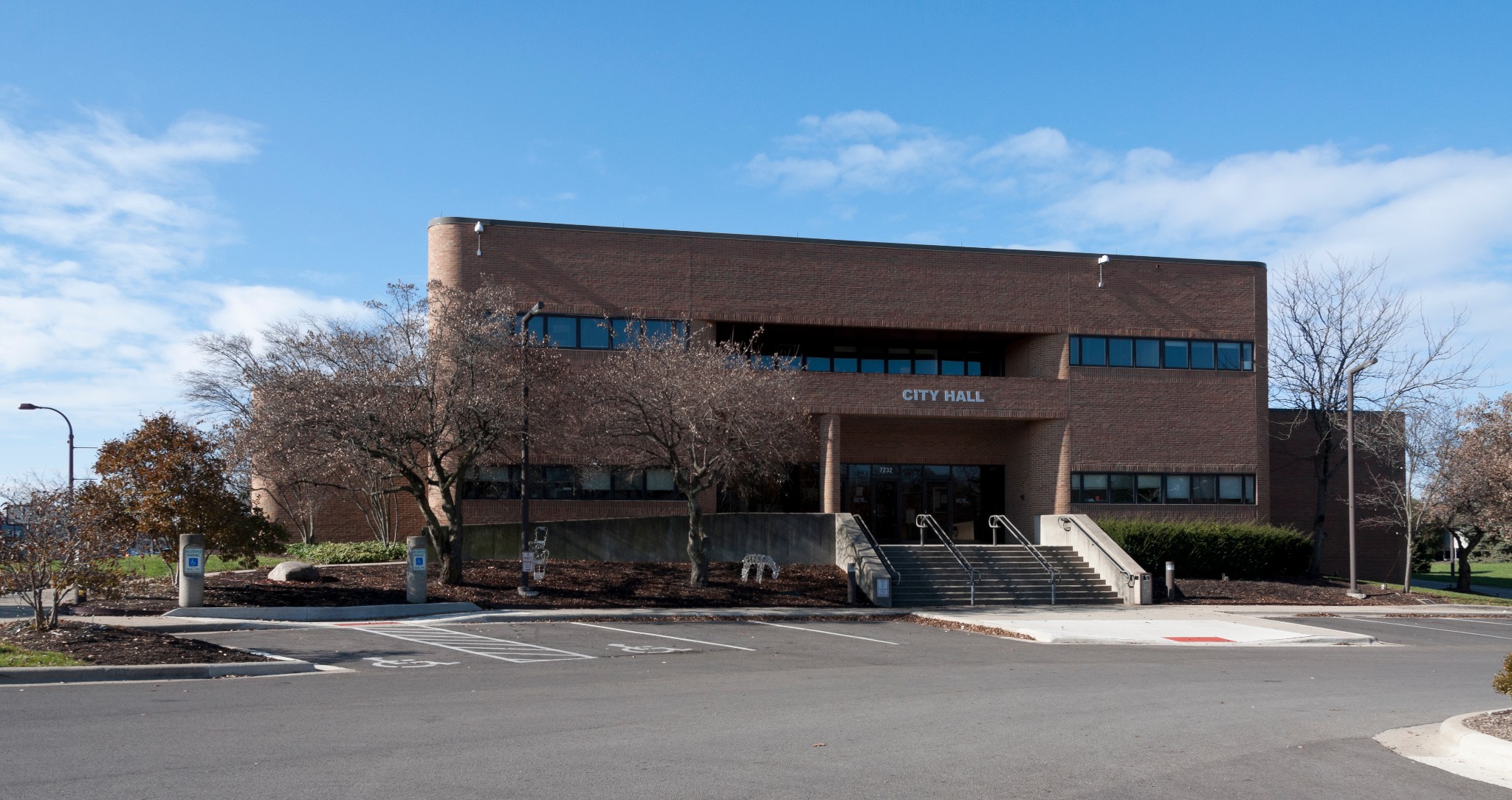
The City of Reynoldsburg is preparing to confront the fallout from police surveillance misconduct at an upcoming public forum, weeks after municipal leaders abruptly shut down and removed the city's automated license plate reader network.
The City of Reynoldsburg is scheduled to host a public town hall at the Reynoldsburg Senior Center on Oct. 21, 2026, giving residents an opportunity to question Mayor Joe Begeny and elected officials about the sudden termination of the Flock Safety camera program. The planned session follows months of mounting friction over warrantless tracking, officer discipline, and municipal data sharing across central Ohio.
Reynoldsburg leaders halted the surveillance network at noon on Sept. 9, 2026, when Begeny announced in a public livestream that the city would discontinue the Flock camera system immediately and cancel its contract. Begeny stated that the decision followed weeks of deliberations balancing technological crime-fighting capabilities against constitutional protections and deteriorating community trust.
"Balancing the safety benefits of emerging technology with public trust and concerns about potential or actual misuse is never easy," Begeny announced in a city statement accompanying the deactivation. "However, I believe now is the time to move on."
Internal Audits and Resignations
The city's reversal stemmed from internal audits that uncovered extensive unauthorized searches by sworn personnel. During a Reynoldsburg City Council meeting on July 13, 2026, Begeny announced that the city had referred potential officer policy violations regarding Flock queries to the Ohio Bureau of Criminal Investigation for an independent criminal probe.
At that same meeting, Police Chief Curtis Baker pledged accountability, telling council members that the department would not protect misconduct and noting that queries were being restricted to Ohio law enforcement.
Internal affairs investigations confirmed that two Reynoldsburg police officers resigned after internal audits detected dozens of personal searches conducted without legitimate law enforcement purposes.
Lt. Kevin McDonnell identified repeated queries on specific plates during administrative audits. Officer Mark Nichols, who had served more than three years with the agency, conducted 47 unauthorized searches between September 2025 and June 2026, including 46 searches targeting a vehicle registered to a former domestic partner. Nichols conducted 27 of those searches while placed on non-disciplinary medical leave, entering an internal administrative code for errands rather than an active criminal case number.
A companion audit revealed that Officer Alissa Birkhimer, a 10-year veteran of the department, queried a single Ohio license plate 53 times between January and June 2026. While Birkhimer cited a missing person case for four searches in June, internal records showed the searched vehicle bore no connection to that investigation.
Both officers were issued notices to appear for formal administrative interviews. Nichols resigned the day before his scheduled interrogation, and Birkhimer submitted her resignation prior to her scheduled interview on July 17, 2026.
Following the resignations, the Reynoldsburg Division of Police announced that leadership identified the infractions through proactive audits, emphasizing that non-law enforcement use of police databases would not be tolerated.
Pushback Over Public Safety and Privacy
The decision to discard the network drew sharp criticism from law enforcement advocates. Brian Steel, president of the Columbus Fraternal Order of Police, called Reynoldsburg's cancellation unfortunate, asserting that Flock cameras serve as essential instruments for recovering stolen cars, combating violent offenses, and tracking missing children. Steel argued that municipal leaders should base surveillance policy on operational policing data rather than political outcry.
City officials had previously pointed to tangible investigative results. During the council session on July 13, 2026, Begeny recounted that Reynoldsburg initially adopted the automated cameras on a 30-day trial in 2022, recovering 27 stolen vehicles in that initial month alone.
However, Reynoldsburg residents repeatedly organized against the automated tracking network at council meetings. Longtime resident Sandra Coates warned council members on July 13, 2026, that indiscriminate vehicular surveillance compromises Fourth Amendment guarantees, citing federal privacy precedents and vulnerability reports.
Following the deactivation on Sept. 9, 2026, Coates argued that public safety does not justify warrantless tracking, asserting that constitutional rights should not be surrendered for security conveniences. Coates and other civic advocates also raised concerns about automated data sharing with outside federal agencies and out-of-state entities.
Central Ohio Surveillance Scrutiny
Reynoldsburg's contract cancellation reflects an expanding regional and statewide reassessment of automated license plate readers.
Just before Reynoldsburg acted, the City of Columbus suspended its own Flock camera program following allegations of officer misuse, while the city council in Lebanon, northeast of Cincinnati, voted to shut down its camera system. At the state level, Democratic gubernatorial candidate Amy Acton called for a potential statewide ban on Flock cameras.
City officials expect the physical removal of the remaining camera hardware to conclude in cooperation with the vendor. The scheduled Oct. 21 town hall at the Reynoldsburg Senior Center will provide the first formal public forum for community members and city administrators to debate what safeguards, if any, should govern municipal surveillance technology in Reynoldsburg going forward.
How we know this
The sources and records behind this story, with the facts they support.
Supporting evidence (3)
The City of Reynoldsburg is scheduled to host a public town hall at the Reynoldsburg Senior Center on Oct. 21, 2026, giving residents an opportunity to question Mayor Joe Begeny and elected officials about the sudden termination of the Flock Safety camera program.
Read supporting passage
Reynoldsburg citizens can ask Begeny and other elected officials questions about the end of the city's Flock camera program during a town hall on Oct. 21 at the Reynoldsburg Senior Center.
Just before Reynoldsburg acted, the City of Columbus suspended its own Flock camera program following allegations of officer misuse, while the city council in Lebanon, northeast of Cincinnati, voted to shut down its camera system.
Read supporting passage
Columbus suspended its Flock camera program last week, after alleged misuse by one of its officers. The city of Lebanon, about 30 miles northeast of Cincinnati, also shut down its Flock cameras after a vote by its city council Tuesday night.
At the state level, Democratic gubernatorial candidate Amy Acton called for a potential statewide ban on Flock cameras.
Read supporting passage
Democratic candidate for Ohio governor Amy Acton has called for a possible ban on Flock cameras in the state.
Supporting evidence (4)
Reynoldsburg leaders halted the surveillance network at noon on Sept. 9, 2026, when Begeny announced in a public livestream that the city would discontinue the Flock camera system immediately and cancel its contract.
Read supporting passage
"After careful consideration, the City of Reynoldsburg will discontinue the Flock camera system effective immediately," Mayor Joe Begeny said during a Wednesday livestream.
"Balancing the safety benefits of emerging technology with public trust and concerns about potential or actual misuse is never easy," Begeny announced in a city statement accompanying the deactivation.
Read supporting passage
Balancing the safety benefits of emerging technology with public trust and concerns about potential or actual misuse is never easy. However, I believe now is the time to move on.
Brian Steel, president of the Columbus Fraternal Order of Police, called Reynoldsburg's cancellation unfortunate, asserting that Flock cameras serve as essential instruments for recovering stolen cars, combating violent offenses, and tracking missing children.
Read supporting passage
It is unfortunate that Reynoldsburg has chosen to shut down Flock, a law-enforcement tool that has proven valuable in fighting violent crime, recovering stolen vehicles, and, most importantly, helping locate missing children.
Following the deactivation on Sept. 9, 2026, Coates argued that public safety does not justify warrantless tracking, asserting that constitutional rights should not be surrendered for security conveniences.
Read supporting passage
"There are a lot of tools that we could have that could solve crimes that we don't make available because of constitutional concerns," Coates told ABC 6.
City Council Meeting · minutes
Supporting evidence (4)
During a Reynoldsburg City Council meeting on July 13, 2026, Begeny announced that the city had referred potential officer policy violations regarding Flock queries to the Ohio Bureau of Criminal Investigation for an independent criminal probe.
Read supporting passage
We are referring potential policy violations by officers within the Reynoldsburg Police Department to BCI for an independent investigation
At that same meeting, Police Chief Curtis Baker pledged accountability, telling council members that the department would not protect misconduct and noting that queries were being restricted to Ohio law enforcement.
Read supporting passage
He explained that he hopes Council knows him well enough to know that he would hold officers accountable for their actions. Chief Baker stated that he can't promise that officers will not engage in misconduct, but he can promise there will be accountability and consequences, and they will not retain employees who engage
During the council session on July 13, 2026, Begeny recounted that Reynoldsburg initially adopted the automated cameras on a 30-day trial in 2022, recovering 27 stolen vehicles in that initial month alone.
Read supporting passage
Within the first 30 days, the Reynoldsburg Police Department, and at the height of the stolen car epidemic, 27 stolen cars were recovered within those first 30 days.
Longtime resident Sandra Coates warned council members on July 13, 2026, that indiscriminate vehicular surveillance compromises Fourth Amendment guarantees, citing federal privacy precedents and vulnerability reports.
Read supporting passage
Ms. Coates stated that she had attended Council to express her concerns about Flock safety. She explained that Flock likely violates the fourth amendment and cases that set precedent include Carpenter vs United States, Berger vs New York, and Chatrie vs United States.
Supporting evidence (5)
Internal affairs investigations confirmed that two Reynoldsburg police officers resigned after internal audits detected dozens of personal searches conducted without legitimate law enforcement purposes.
Read supporting passage
Two Reynoldsburg police officers resigned after the department launched separate Internal Affairs investigations into their alleged use of the department's Flock Safety automated license plate reader system.
Officer Mark Nichols, who had served more than three years with the agency, conducted 47 unauthorized searches between September 2025 and June 2026, including 46 searches targeting a vehicle registered to a former domestic partner.
Read supporting passage
The investigation ultimately concluded Nichols conducted 47 unauthorized searches, including 46 involving a vehicle investigators determined belonged to a person identified in his personnel records as his former domestic partner.
A companion audit revealed that Officer Alissa Birkhimer, a 10-year veteran of the department, queried a single Ohio license plate 53 times between January and June 2026.
Read supporting passage
According to Lt. McDonnell's memorandum, auditors found Birkhimer searched the same Ohio license plate 53 times between January 2 and June 26, 2026.
Nichols resigned the day before his scheduled interrogation, and Birkhimer submitted her resignation prior to her scheduled interview on July 17, 2026.
Read supporting passage
Birkhimer also submitted her resignation before her scheduled interview, which was set for July 17, 2026.
Following the resignations, the Reynoldsburg Division of Police announced that leadership identified the infractions through proactive audits, emphasizing that non-law enforcement use of police databases would not be tolerated.
Read supporting passage
The use of any police database or computer system, to include Flock Safety, for non-law enforcement purposes is serious and will not be tolerated within the Reynoldsburg Division of Police.