
Chillicothe Faces $1.2 Million Budget Deficit as Paper Mill Losses Hit 2027 Projections
Mayor Luke Feeney told City Council that the city must close a general fund gap after losing income tax and utility revenue from the plant's closure.
In a Nov. 9 briefing to City Council, Chillicothe Mayor Luke Feeney announced that the city's budgeting process is $1.2 million in excess of projected revenue for 2027. Council met for the briefing in the renovated armory located in Yoctangee Park. The mayor said this is the first budget cycle to feel the full pain of the paper mill closing.
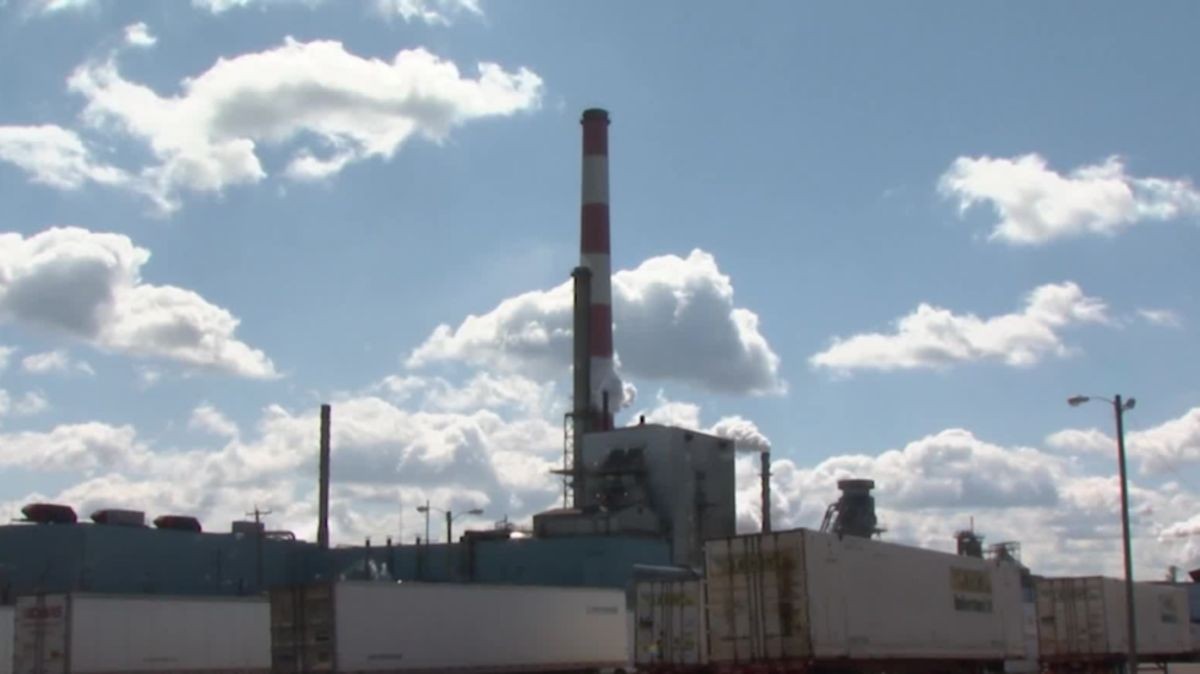
The paper mill complex in Chillicothe, Ohio, where an August 2025 shutdown eliminated roughly 830 jobs.
Credit: WCMH / Nexstar Media Inc. Image source
The mill shutdown, which culminated in August 2025, caused the loss of about 830 employees who paid city income taxes and utility fees. Feeney noted that the $1.2 million general fund gap equals the cost of about 12 city employees, though he emphasized that he is not looking at personnel cuts.
Feeney said he eliminated additional staffing requests. Feeney noted that reducing funding is more challenging because department requests were already thin on capital requests. Addressing the $1.2 million excess, Feeney said, “We’ve got a lot of work to do to get that number down, to balance the budget this year.”
Feeney said the city plans to update revenue projections as late as possible in the process to predict numbers from the latest data.
During the same session, council members unanimously approved on first reading a 12% reduction in city property taxes to balance out an increase in state property taxes. Councilman Jeff Creed said the city is losing a couple hundred thousand dollars in tax revenue, but is buffering a 29% to 30% state increase across Ross County.
Video Watch video 0:29
Pique’s reporting on the same events, newest first.
Ross County Latest You are reading
Chillicothe Faces $1.2 Million Budget Deficit as Paper Mill Losses Hit 2027 Projections
Ross County
Chillicothe Sets Nov. 16 Open House on Data Center Zoning Rules
Mayor Luke Feeney invited residents to the Armory in Yoctangee Park as the city weighs adding Unified Development Code standards for data centers, battery storage and cryptocurrency mining.
How we know this
The sources and records behind this story, with the facts they support.
Supporting evidence (10)
In a Nov. 9 briefing to City Council, Chillicothe Mayor Luke Feeney announced that the city's budgeting process is $1.2 million in excess of projected revenue for 2027.
Read supporting passage
In his briefing to council on November 9th, 2026, the mayor said the city budgeting process is $1.2M in excess of the projected revenue, so far. Hear him in his own words in the below video. Feeney said that every department has presented their budget and funding requests for 2027, with the auditor and mayor working almost daily on the annual year-end process.
Council met for the briefing in the renovated armory located in Yoctangee Park.
Read supporting passage
Chillicothe Mayor Luke Feeney said that city revenue is now feeling the pain of last year’s paper mill closing, as council met in their new home at the renovated armory in Yoctangee Park.
The mayor said this is the first budget cycle to feel the full pain of the paper mill closing.
The mill shutdown, which culminated in August 2025, caused the loss of about 830 employees who paid city income taxes and utility fees.
Read supporting passage
That caused the loss of about 830 employees who paid city income tax, as well as income through city utilities, culminating in August of 2025.
Feeney noted that the $1.2 million general fund gap equals the cost of about 12 city employees, though he emphasized that he is not looking at personnel cuts.
Read supporting passage
But there is a significant gap between revenue and expense in the general fund. He said the $1.2M excess equals about 12 city employees…though he is not looking at personnel cuts.
Feeney said he eliminated additional staffing requests.
Read supporting passage
Feeney said he did eliminate additional staffing requests.
Feeney noted that reducing funding is more challenging because department requests were already thin on capital requests.
Read supporting passage
He said department requests were thin on capital requests already, so that makes reducing funding more challenging.
Addressing the $1.2 million excess, Feeney said, “We’ve got a lot of work to do to get that number down, to balance the budget this year.”
Read supporting passage
He said the $1.2M excess equals about 12 city employees…though he is not looking at personnel cuts. Feeney said he did eliminate additional staffing requests. He said department requests were thin on capital requests already, so that makes reducing funding more challenging. “We’ve got a lot of work to do to get that number down, to balance the budget this year.”
Feeney said the city plans to update revenue projections as late as possible in the process to predict numbers from the latest data.
Read supporting passage
Feeney said the city would try to update revenue projections as late as possible in the process (presumably to predict numbers as accurately as possible from the latest data).
During the same session, council members unanimously approved on first reading a 12% reduction in city property taxes to balance out an increase in state property taxes.
Read supporting passage
Without acrimony, he pointed out that council’s agenda item 3 would also reduce the city’s revenue – a 12% reduction in city property taxes, to balance out an increase in state property taxes. Council passed that ordinance unanimously on first reading in the same session.
Supporting evidence (1)
Councilman Jeff Creed said the city is losing a couple hundred thousand dollars in tax revenue, but is buffering a 29% to 30% state increase across Ross County.
Read supporting passage
Creed said it will still be a slight increase from last year – $5 to $10 – but the city is trying to avoid a big increase while buffering this year’s burden from the state, a 29 to 30% increase across Ross County. Would the city be losing tax revenue? Creed said yes, a couple hundred thousand dollars – but the burden would be on city residents, and council wanted to avoid letting it hit taxpayers all at once.