Central Ohio Drivers See Pump Relief as 90-Day Fuel Tax Holiday Takes Effect
Motorists save up to 47 cents per gallon through early January, while state officials warn retailers against withholding tax cuts.
Central Ohio motorists are seeing lower fuel prices at retail service stations after Ohio's 90-day state fuel tax holiday officially took effect on Sunday, Oct. 4, 2026. The statutory pause starts at 12:01 a.m. on Sunday, Oct. 4, and continues for 90 days until 11:59 p.m. on Saturday, Jan. 2, removing state excise taxes across Ohio's fueling network.
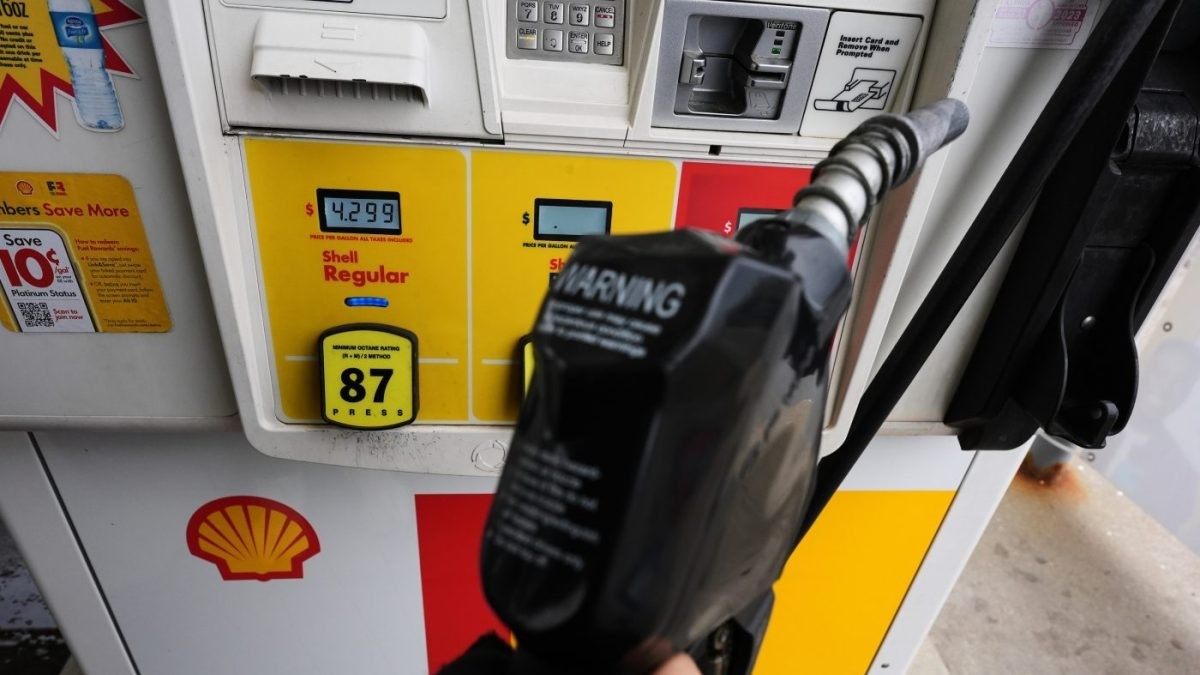
Under the enacted measure, drivers will save 38.5 cents per gallon, while diesel will drop by 47 cents. Federal excise taxes of 18.4 cents per gallon on gasoline and 24.4 cents per gallon on diesel remain in effect.
Previously, Pique reported that "Ohio Suspends Fuel Taxes for 90 Days as State Surplus Offsets Road Funding." The measure, signed by Gov. Mike DeWine on Thursday, Oct. 1, 2026, after legislative passage on Wednesday, Sept. 30, 2026, aims to provide direct financial relief amid elevated transportation costs across the state.
What Central Ohio Motorists Save at the Pump
For central Ohio commuters, the tax suspension offers noticeable reductions during routine fill-ups. During Statehouse committee hearings on the legislation, Sen. Michele Reynolds, a Canal Winchester Republican, noted that “For a 20 gallon fill up, this equals a savings of nearly $7.70,” Reynolds said. State estimates project that an average motorist will save roughly $80 over the 90-day period.
Commuters throughout Franklin County welcomed the relief following weeks of steep prices. “I drive an hour for work, so it was kind of taking a lot out of me,” Columbus resident Jayden Rodriguez said as the pause approached.
The larger 47-cent-per-gallon diesel tax cut also directly reduces fuel expenses for commercial transport and freight fleets delivering consumer merchandise and groceries across central Ohio corridors.
Why Initial Pump Price Drops Are Uneven
Drivers visiting Columbus-area service stations over the weekend observed varying prices across competing brands. Retail fuel analysts and state leaders noted that pump prices do not reset simultaneously across all stations.
Price adjustments depend on inventory turnover and technical software updates. Service stations must first cycle through wholesale fuel purchased before the tax suspension took effect at higher pre-tax rates. Furthermore, Tony Ehler of the Ohio Council of Retail Merchants told lawmakers most gas stations are unable to update their point of sale systems to produce those itemized receipts on such short notice, calling the accountability requirements impractical and burdensome.
Even legislative champions cautioned that price drops would phase in rather than appear overnight. “I think 100% is a tough, tough number to hit just because of how volatile gas prices can be,” McColley said onWednesday, Sept. 30, adding that he remained confident the vast majority of savings would reach drivers.
Ohio Tax Commissioner Patricia Harris said the state worked to assist vendors through the weekend changeover. “We encourage all motor fuel retailers to adjust their collection systems beginning at midnight on October 4th, so Ohio drivers see this direct relief at the pump,” Harris says.
State Enforcement and Consumer Protections
To prevent vendors from absorbing the tax break into retail margins, the state established strict compliance standards. The Ohio Department of Taxation's site says fuel retailers are legally required under Ohio law to pass the entire tax savings directly to consumers at the pump.
On Friday, Oct. 2, 2026, the Department of Taxation issued regulatory guidance warning that “Failure to transfer these savings to consumers may be treated as an unfair or deceptive act and is subject to referral to the Ohio Attorney General's Office,” according to a press release from the Ohio Department of Taxation.
State officials advised motorists who suspect price-gouging or station non-compliance that The Ohio Department of Taxation says you can file a complaint with the Ohio Attorney General HERE through the attorney general's consumer protection division.
Surplus Backfill Protects ODOT Infrastructure
Motor fuel taxes historically fund local road resurfacing, bridge rehabilitations, and highway safety initiatives managed by the Ohio Department of Transportation (ODOT). When lawmakers initially proposed drawing down transportation department cash balances, Gov. Mike DeWine shot down the idea of raiding ODOT’s coffers to safeguard active construction contracts.
To prevent construction delays or funding shortfalls, lawmakers structured the legislation to replace foregone revenues dollar-for-dollar. The $725 million in lost tax revenue will be made up from the surplus in general revenue, so future local and state construction projects will not be affected, ensuring ongoing highway projects throughout central Ohio remain fully funded through early 2027.
Video0:28
Central Ohio motorists are seeing lower fuel prices at retail service stations after Ohio's 90-day state fuel tax holiday officially took effect on Sunday, Oct. 4, 2026. The statutory pause starts at 12:01 a.m. on Sunday, Oct. 4, and continues for 90 days until 11:59 p.m. on Saturday, Jan. 2, removing state excise taxes across Ohio's fueling network.
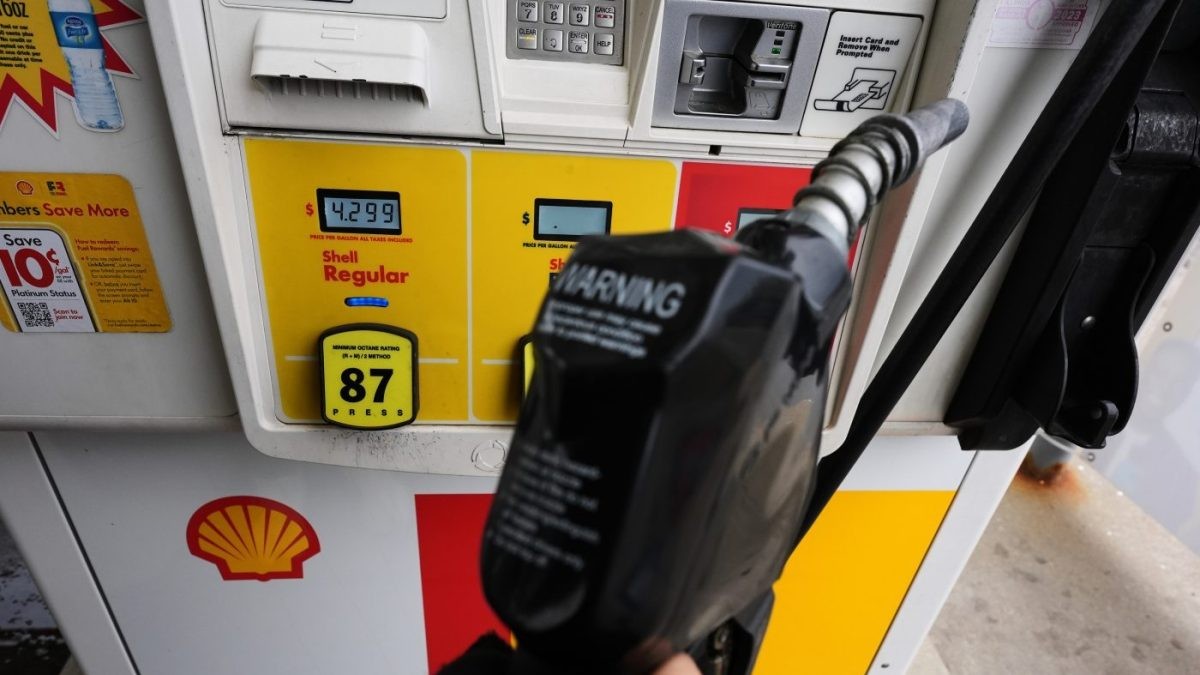
Under the enacted measure, drivers will save 38.5 cents per gallon, while diesel will drop by 47 cents. Federal excise taxes of 18.4 cents per gallon on gasoline and 24.4 cents per gallon on diesel remain in effect.
Previously, Pique reported that "Ohio Suspends Fuel Taxes for 90 Days as State Surplus Offsets Road Funding." The measure, signed by Gov. Mike DeWine on Thursday, Oct. 1, 2026, after legislative passage on Wednesday, Sept. 30, 2026, aims to provide direct financial relief amid elevated transportation costs across the state.
What Central Ohio Motorists Save at the Pump
For central Ohio commuters, the tax suspension offers noticeable reductions during routine fill-ups. During Statehouse committee hearings on the legislation, Sen. Michele Reynolds, a Canal Winchester Republican, noted that “For a 20 gallon fill up, this equals a savings of nearly $7.70,” Reynolds said. State estimates project that an average motorist will save roughly $80 over the 90-day period.
Commuters throughout Franklin County welcomed the relief following weeks of steep prices. “I drive an hour for work, so it was kind of taking a lot out of me,” Columbus resident Jayden Rodriguez said as the pause approached.
The larger 47-cent-per-gallon diesel tax cut also directly reduces fuel expenses for commercial transport and freight fleets delivering consumer merchandise and groceries across central Ohio corridors.
Why Initial Pump Price Drops Are Uneven
Drivers visiting Columbus-area service stations over the weekend observed varying prices across competing brands. Retail fuel analysts and state leaders noted that pump prices do not reset simultaneously across all stations.
Price adjustments depend on inventory turnover and technical software updates. Service stations must first cycle through wholesale fuel purchased before the tax suspension took effect at higher pre-tax rates. Furthermore, Tony Ehler of the Ohio Council of Retail Merchants told lawmakers most gas stations are unable to update their point of sale systems to produce those itemized receipts on such short notice, calling the accountability requirements impractical and burdensome.
Even legislative champions cautioned that price drops would phase in rather than appear overnight. “I think 100% is a tough, tough number to hit just because of how volatile gas prices can be,” McColley said onWednesday, Sept. 30, adding that he remained confident the vast majority of savings would reach drivers.
Ohio Tax Commissioner Patricia Harris said the state worked to assist vendors through the weekend changeover. “We encourage all motor fuel retailers to adjust their collection systems beginning at midnight on October 4th, so Ohio drivers see this direct relief at the pump,” Harris says.
State Enforcement and Consumer Protections
To prevent vendors from absorbing the tax break into retail margins, the state established strict compliance standards. The Ohio Department of Taxation's site says fuel retailers are legally required under Ohio law to pass the entire tax savings directly to consumers at the pump.
On Friday, Oct. 2, 2026, the Department of Taxation issued regulatory guidance warning that “Failure to transfer these savings to consumers may be treated as an unfair or deceptive act and is subject to referral to the Ohio Attorney General's Office,” according to a press release from the Ohio Department of Taxation.
State officials advised motorists who suspect price-gouging or station non-compliance that The Ohio Department of Taxation says you can file a complaint with the Ohio Attorney General HERE through the attorney general's consumer protection division.
Surplus Backfill Protects ODOT Infrastructure
Motor fuel taxes historically fund local road resurfacing, bridge rehabilitations, and highway safety initiatives managed by the Ohio Department of Transportation (ODOT). When lawmakers initially proposed drawing down transportation department cash balances, Gov. Mike DeWine shot down the idea of raiding ODOT’s coffers to safeguard active construction contracts.
To prevent construction delays or funding shortfalls, lawmakers structured the legislation to replace foregone revenues dollar-for-dollar. The $725 million in lost tax revenue will be made up from the surplus in general revenue, so future local and state construction projects will not be affected, ensuring ongoing highway projects throughout central Ohio remain fully funded through early 2027.
How we know this
The sources and records behind this story, with the facts they support.
https://www.yahoo.com/news/politics/articles/ohio-gas-tax-holiday-explained-154615591.html
Supporting evidence (6)
The statutory pause starts at 12:01 a.m. on Sunday, Oct. 4, and continues for 90 days until 11:59 p.m. on Saturday, Jan. 2, removing state excise taxes across Ohio's fueling network.
Read supporting passage
It starts at 12:01 a.m. on Sunday, Oct. 4, and continues for 90 days until 11:59 p.m. on Saturday, Jan. 2.
Under the enacted measure, drivers will save 38.5 cents per gallon, while diesel will drop by 47 cents.
Read supporting passage
Drivers will save 38.5 cents per gallon, while diesel will drop by 47 cents.
“We encourage all motor fuel retailers to adjust their collection systems beginning at midnight on October 4th, so Ohio drivers see this direct relief at the pump,” Harris says.
Read supporting passage
"We encourage all motor fuel retailers to adjust their collection systems beginning at midnight on October 4th, so Ohio drivers see this direct relief at the pump," Harris says.
The Ohio Department of Taxation's site says fuel retailers are legally required under Ohio law to pass the entire tax savings directly to consumers at the pump.
On Friday, Oct. 2, 2026, the Department of Taxation issued regulatory guidance warning that “Failure to transfer these savings to consumers may be treated as an unfair or deceptive act and is subject to referral to the Ohio Attorney General's Office,” according to a press release from the Ohio Department of Taxation.
Read supporting passage
"Failure to transfer these savings to consumers may be treated as an unfair or deceptive act and is subject to referral to the Ohio Attorney General's Office," according to a press release from the Ohio Department of Taxation.
State officials advised motorists who suspect price-gouging or station non-compliance that The Ohio Department of Taxation says you can file a complaint with the Ohio Attorney General HERE through the attorney general's consumer protection division.
Read supporting passage
The Ohio Department of Taxation says you can file a complaint with the Ohio Attorney General HERE.
https://tiffinohio.net/posts/ohio-senate-gas-tax-holiday-sb-475-first-hearing/
Supporting evidence (2)
Michele Reynolds, a Canal Winchester Republican, noted that “For a 20 gallon fill up, this equals a savings of nearly $7.70,” Reynolds said.
Read supporting passage
“For a 20 gallon fill up, this equals a savings of nearly $7.70,” Reynolds said.
When lawmakers initially proposed drawing down transportation department cash balances, Gov.
Read supporting passage
Gov. Mike DeWine shot down the idea of raiding ODOT’s coffers.
Drivers anticipate gas price drop with Ohio tax pause
Supporting evidence (1)
“I drive an hour for work, so it was kind of taking a lot out of me,” Columbus resident Jayden Rodriguez said as the pause approached.
Read supporting passage
“I drive an hour for work, so it was kind of taking a lot out of me,” Columbus resident Jayden Rodriguez said.
https://www.yahoo.com/news/politics/articles/ohio-one-step-closer-gas-230804754.html
Supporting evidence (1)
Furthermore, Tony Ehler of the Ohio Council of Retail Merchants told lawmakers most gas stations are unable to update their point of sale systems to produce those itemized receipts on such short notice, calling the accountability requirements impractical and burdensome.
Read supporting passage
Tony Ehler of the Ohio Council of Retail Merchants told lawmakers most gas stations are unable to update their point of sale systems to produce those itemized receipts on such short notice, calling the accountability requirements impractical and burdensome.
Supporting evidence (1)
“I think 100% is a tough, tough number to hit just because of how volatile gas prices can be,” McColley said onWednesday, Sept. 30, adding that he remained confident the vast majority of savings would reach drivers.
Read supporting passage
“I think 100% is a tough, tough number to hit just because of how volatile gas prices can be,” McColley said onWednesday, Sept. 30.
https://www.hometownstations.com/2026/10/04/ohio-gas-diesel-prices-get-temporary-tax-break/
Supporting evidence (1)
The $725 million in lost tax revenue will be made up from the surplus in general revenue, so future local and state construction projects will not be affected, ensuring ongoing highway projects throughout central Ohio remain fully funded through early 2027.
Read supporting passage
The $725 million in lost tax revenue will be made up from the surplus in general revenue, so future local and state construction projects will not be affected.