Active Police Misconduct Inquiries Must Be Released Under Ohio Public Records Law, Columbus Inspector General Discloses
City legal counsel advised the oversight agency that active administrative files cannot be withheld, raising concerns that immediate disclosure deters complainants.
The Columbus Department of the Inspector General is legally required under the Ohio Public Records Act to release records from open, active police misconduct investigations upon request, Inspector General Jacqueline Hendricks disclosed to the Civilian Police Review Board during Meeting #63 on Wednesday, Oct. 7.
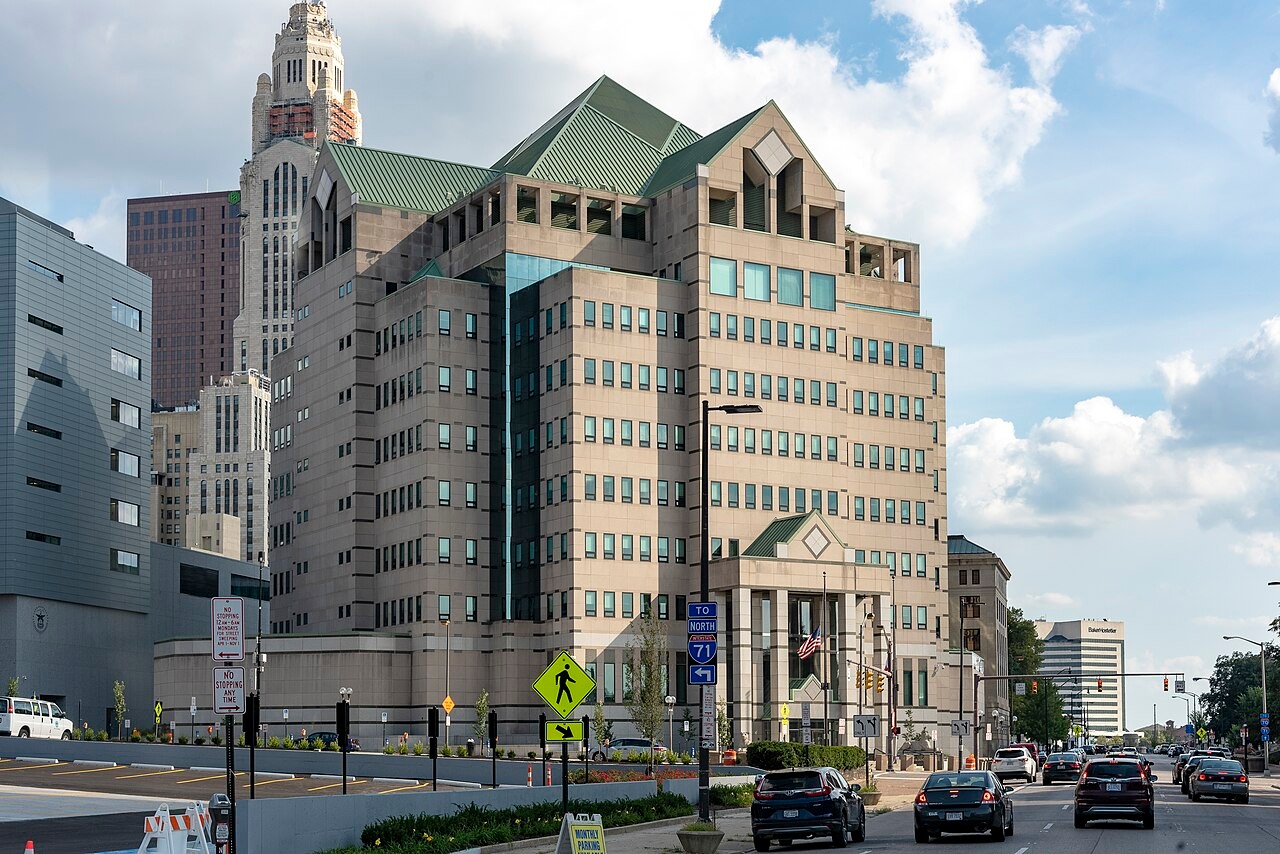
During an investigative update on oversight operations, Hendricks explained that her office consulted with city legal counsel to determine whether active administrative inquiries into Columbus Division of Police personnel could be shielded from disclosure until investigations conclude. City attorneys advised that Columbus lacks statutory authority under state law to withhold open administrative files, leaving the independent oversight agency with no legal mechanism to deny public records requests for active misconduct files.
The disclosure underscores an established tension in Ohio public records doctrine between criminal law enforcement and civilian administrative oversight. While criminal police probes are routinely shielded from disclosure prior to trial under Ohio's confidential law enforcement investigatory records exemption, administrative investigations conducted by municipal oversight bodies carry no statutory exemption, even when examining serious allegations of officer misconduct.
Hendricks cautioned the oversight board that mandatory disclosure of open files poses an operational hindrance that risks deterring community members, victims, and witnesses from submitting complaints. Board members noted that while police officers receive union representation, collective bargaining protections, and Garrity rights against self-incrimination during administrative questioning, civilian complainants enjoy no statutory privacy shielding, meaning their initial statements and submitted evidence become immediate public records before investigators reach final determinations on complaint allegations.
Previously, Pique Media reported on Oct. 8 that the oversight board sustained misconduct findings against an officer who discarded confiscated dispensary cannabis into the trash and an off-duty officer who displayed a badge at a Whitehall polling location (Civilian Police Review Board Sustains Misconduct Finding Over Discarded Cannabis; Civilian Police Review Board Sustains Violation Against Columbus Officer for Displaying Badge at Polling Site).
How we know this
The sources and records behind this story, with the facts they support.
Civilian Police Review Board Meeting #63.
Supporting evidence (3)
The Columbus Department of the Inspector General is legally required under the Ohio Public Records Act to release records from open, active police misconduct investigations upon request, Inspector General Jacqueline Hendricks disclosed to the Civilian Police Review Board during Meeting #63 on Wednesday, Oct. 7.
Read supporting passage
Civilian Police Review Board Meeting #63.
During an investigative update on oversight operations, Hendricks explained that her office consulted with city legal counsel to determine whether active administrative inquiries into Columbus Division of Police personnel could be shielded from disclosure until investigations conclude.
Read supporting passage
• t004.1 Inspector General Update on Investigative Process (part 1) (s0106–s0187)
Board members noted that while police officers receive union representation, collective bargaining protections, and Garrity rights against self-incrimination during administrative questioning, civilian complainants enjoy no statutory privacy shielding, meaning their initial statements and submitted evidence become immediate public records before investigators reach final determinations on complaint allegations.
Read supporting passage
• t004.2 Inspector General Update on Investigative Process (part 2) (s0188–s0230)
Civilian Police Review Board Sustains Misconduct Finding Over Discarded Cannabis
Supporting evidence (1)
Previously, Pique Media reported on Oct. 8 that the oversight board sustained misconduct findings against an officer who discarded confiscated dispensary cannabis into the trash and an off-duty officer who displayed a badge at a Whitehall polling location (Civilian Police Review Board Sustains Misconduct Finding Over Discarded Cannabis; Civilian Police Review Board Sustains Violation Against Columbus Officer for Displaying Badge at Polling Site).
Read supporting passage
Civilian Police Review Board Sustains Misconduct Finding Over Discarded Cannabis
Civilian Police Review Board Sustains Violation Against Columbus Officer for Displaying Badge at Polling Site
Supporting evidence (1)
Previously, Pique Media reported on Oct. 8 that the oversight board sustained misconduct findings against an officer who discarded confiscated dispensary cannabis into the trash and an off-duty officer who displayed a badge at a Whitehall polling location (Civilian Police Review Board Sustains Misconduct Finding Over Discarded Cannabis; Civilian Police Review Board Sustains Violation Against Columbus Officer for Displaying Badge at Polling Site).
Read supporting passage
Civilian Police Review Board Sustains Violation Against Columbus Officer for Displaying Badge at Polling Site