Grandview Heights Approves Sidewalk Assistance Pilot to Ease Homeowner Repair Costs
City Council approves a two-year initiative using service funds to subsidize mandated repairs for properties on the municipal walkway list.
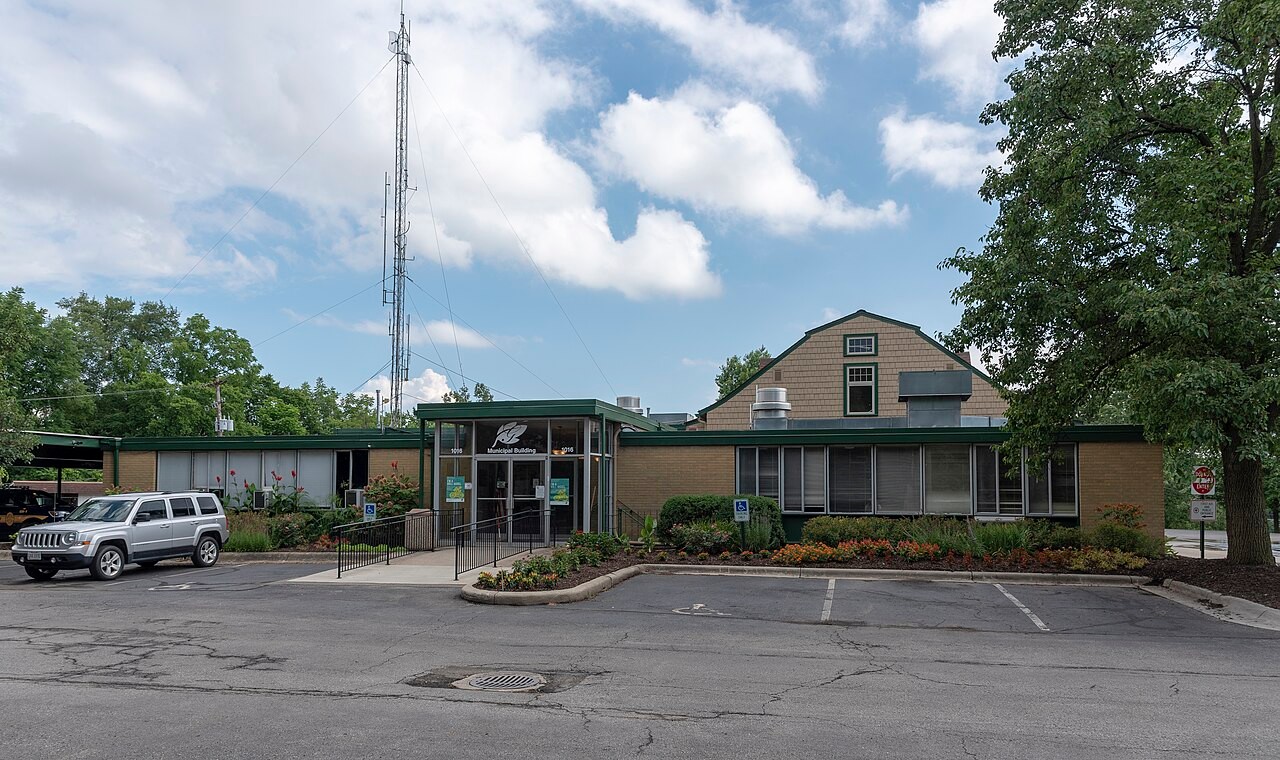
The Grandview Heights City Council approved Resolution 25-2026 on Sept. 14, establishing a two-year Sidewalk Assistance Pilot Program to help property owners absorb mandated walkway replacement costs, according to the meeting agenda and legislative reporting.
The measure targets property owners whose walkways have been designated for mandatory replacement on the city's annual repair schedule. The initiative was approved on a roll-call vote following debate over program breadth, tenant impacts, and commercial property inclusion.
Funding Mechanics and Departmental Administration
Under the approved framework, the pilot operates administratively within existing municipal resources rather than requiring a new budget appropriation. City Attorney Kazan and Service Director Miller told council members that the program formalizes financial assistance drawing from funds already budgeted to the Service Department, according to council proceedings.
Because the city coordinates bulk contractor sidewalk work and bills property owners, officials noted that providing subsidies directly reduces future municipal assessment collections rather than creating an additional city expense.
Application intake and documentation will be processed through the Finance Department, Director Maxwell told the council. Eligibility determination, application vetting, and public outreach will be jointly handled by the service, finance, and administration departments.
Council members also discussed public communication and applicant privacy. Council members requested that informational flyers and promotional materials explicitly assure residents that personal and financial information submitted in program applications will remain confidential.
Council Deliberations Over Commercial Scope
Council member Anthony Panzera, the legislation's sponsor, presented the pilot as a pragmatic effort to assist property owners facing immediate infrastructure costs. Anthony said the program was designed to target residents who "need relief," calling the measure "a step in the right direction" and urging council colleagues to test the model before committing to broader municipal subsidies, according to meeting records.
Debate during the meeting centered on whether the subsidy should cover broader categories of property. Council member Michelle Kozak introduced an amendment that would have expanded the pilot to cover 25% of sidewalk replacement costs across the board for all properties on the annual list, encompassing both commercial properties and residential rentals.
Kozak's amendment failed to receive a second from other council members, leaving the narrower resident-focused pilot intact. Council members also examined potential unintended consequences for residential tenants, opting to restrict the pilot strictly to properties selected through the city’s annual sidewalk replacement cycle rather than opening the fund to ad-hoc resident requests.
Municipal Infrastructure Burdens Under Ohio Law
The pilot program addresses a longstanding point of friction in Ohio municipal governance: the allocation of sidewalk maintenance obligations. Under Ohio Revised Code Section 729.01, municipal corporations hold statutory authority to require abutting property owners to repair or construct sidewalks, curbs, and gutters at their own expense. When property owners fail to complete repairs within the timeline set by council, the statute authorizes cities to perform the construction and assess the entire expense against the abutting parcel.
That legal framework has traditionally left individual homeowners responsible for maintaining pedestrian pathways that serve the broader public. In Grandview Heights, the regular maintenance cycle historically relies on council adopting annual resolutions of necessity, contracting sidewalk rehabilitation, and certifying unpaid costs directly to the Franklin County Auditor for collection on property tax duplicates, as seen in past measures like Resolution 36-2025, according to municipal legislative archives.
By applying service-department funds to soften those assessments over the next two years, Grandview Heights is testing whether municipal subsidies can alleviate sudden capital burdens on homeowners while keeping neighborhood pedestrian corridors compliant and safe.
How we know this
The sources and records behind this story, with the facts they support.
City Council Agendas · September 14, 2026 Regular Council Meeting Agenda · agenda
Supporting evidence (1)
The Grandview Heights City Council approved Resolution 25-2026 on Sept. 14, establishing a two-year Sidewalk Assistance Pilot Program to help property owners absorb mandated walkway replacement costs, according to the meeting agenda and legislative reporting.
Read supporting passage
3. Res. 25-2026: A Resolution Establishing the Sidewalk Assistance Pilot Program.
Supporting evidence (3)
The Grandview Heights City Council approved Resolution 25-2026 on Sept. 14, establishing a two-year Sidewalk Assistance Pilot Program to help property owners absorb mandated walkway replacement costs, according to the meeting agenda and legislative reporting.
Read supporting passage
The Grandview Heights City Council approved Resolution 25-2026 on Sept. 14 to establish a two-year sidewalk-assistance pilot aimed at reducing the cost burden for property owners whose sidewalks are on the city replacement list.
City Attorney Kazan and Service Director Miller told council members that the program formalizes financial assistance drawing from funds already budgeted to the Service Department, according to council proceedings.
Read supporting passage
The Grandview Heights City Council approved Resolution 25-2026 on Sept. 14 to establish a two-year sidewalk-assistance pilot aimed at reducing the cost burden for property owners whose sidewalks are on the city replacement list.
Anthony said the program was designed to target residents who "need relief," calling the measure "a step in the right direction" and urging council colleagues to test the model before committing to broader municipal subsidies, according to meeting records.
Read supporting passage
The Grandview Heights City Council approved Resolution 25-2026 on Sept. 14 to establish a two-year sidewalk-assistance pilot aimed at reducing the cost burden for property owners whose sidewalks are on the city replacement list.
https://codes.ohio.gov/ohio-revised-code/section-729.01
Supporting evidence (1)
Under Ohio Revised Code Section 729.01, municipal corporations hold statutory authority to require abutting property owners to repair or construct sidewalks, curbs, and gutters at their own expense.
Read supporting passage
the legislative authority of a municipal corporation may require the construction or repair of sidewalks, curbs, or gutters within the municipal corporation by the owners of lots or lands abutting thereon
https://www.grandviewheights.gov/Archive/47
Supporting evidence (1)
In Grandview Heights, the regular maintenance cycle historically relies on council adopting annual resolutions of necessity, contracting sidewalk rehabilitation, and certifying unpaid costs directly to the Franklin County Auditor for collection on property tax duplicates, as seen in past measures like Resolution 36-2025, according to municipal legislative archives.
Read supporting passage
36-2025 Certify Cost of Sidewalk Repairs to Franklin County