Worthington Schools ends Flock camera contract, citing public trust
The Ohio district says it will remove automated license-plate readers from four campuses and rely on conventional cameras instead.
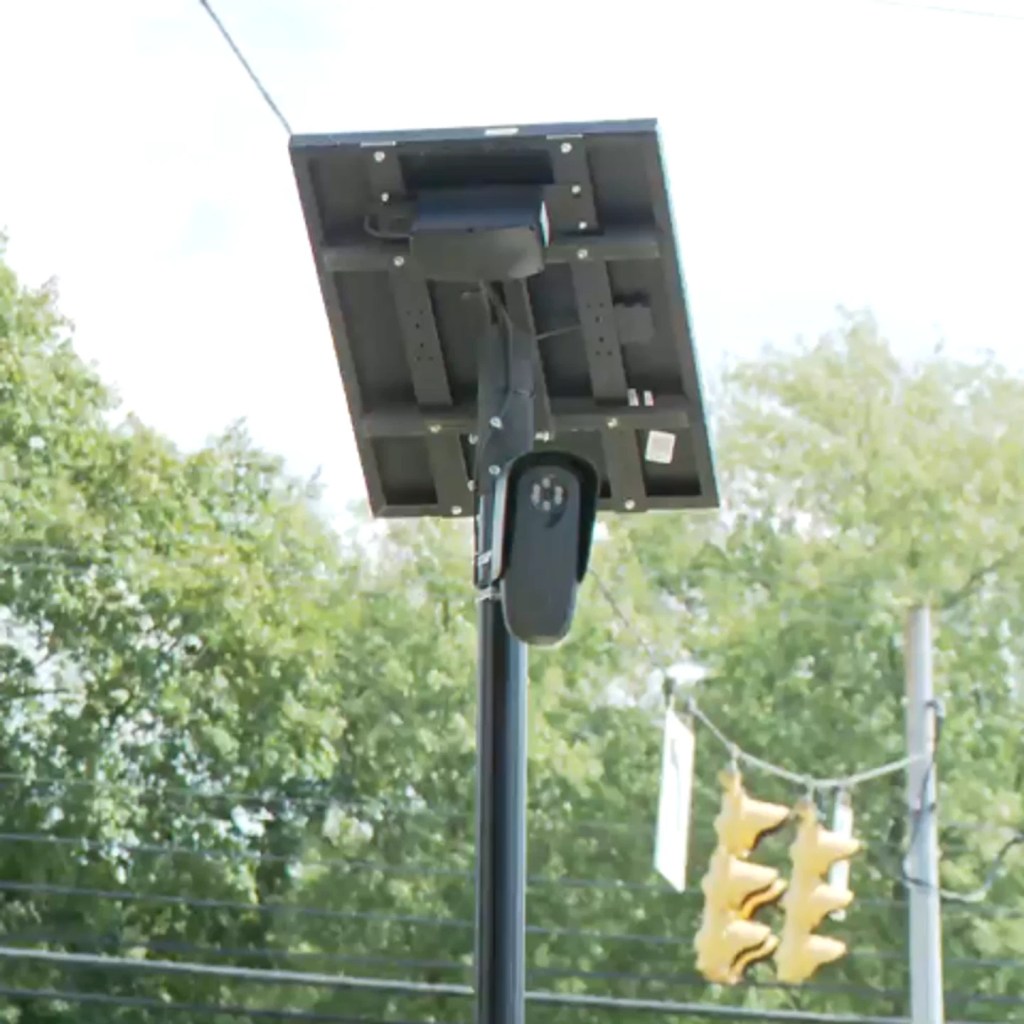
Worthington City Schools is ending its contract with Flock Safety and removing automated license-plate readers from four campuses, less than three years after launching the system with help from a state safety grant.
In a Sept. 1 statement, Superintendent Trent Bowers said the technology offered only limited benefits and risked undermining public confidence.
“I have come to believe that the limited benefits we receive from these cameras are not worth the potential loss of public trust in our schools,” Bowers wrote.
The district said the system had been restricted to internal use. Its statement did not allege that Worthington’s data had been misused or identify a particular incident that triggered the cancellation. Instead, Bowers framed the decision as a judgment that conventional security cameras could provide comparable physical coverage without automatically collecting license-plate data.
What Worthington bought
The district said it received an Ohio School Safety Grant in spring 2024 that paid $30,000 toward a project costing about $35,000.
The project placed Flock license-plate readers at the main entrances and exits of:
- Thomas Worthington High School
- Worthington Kilbourne High School
- Linworth Experiential Program
- Worthington Academy
Worthington renewed its agreement with Flock for two years on March 30, 2025, according to the district.
Automated license-plate readers differ from ordinary security cameras because they turn images of passing vehicles into searchable records associated with plates and other vehicle details. Worthington said access to its system was restricted to district personnel.
Why the district is walking away
Bowers described the readers as a “nice extra,” not as a necessary part of school security. Worthington already operates 728 conventional cameras across the district, he said.
According to the district’s plan, staff will add “a couple” of standard cameras and adjust the angles of some existing cameras at the four campuses. Bowers said that would preserve the same physical coverage while eliminating automated plate collection.
That distinction is central to the district’s explanation. The Flock readers made vehicle information searchable; the replacement cameras will record the entrances and exits without building that automated plate-data layer.
Bowers did not point to a specific misuse of Worthington’s data. He presented the move as a broader policy decision: Whatever additional value the readers provided was outweighed by concerns about public trust.
What happens next
Worthington said it can terminate the agreement early without an added cancellation charge. Flock owns the hardware and is responsible for taking it down within what the contract calls a “commercially reasonable timeframe,” which the district said typically means a couple of weeks.
Once the Flock equipment is removed, Worthington plans to rely on its existing camera network, supplemented by a small number of standard cameras and adjusted viewing angles at the four sites.
The change leaves cameras watching the school entrances and exits, but ends the automated collection of license-plate data there. In Bowers’ account, that tradeoff preserves security coverage without asking the community to accept a technology he concluded was not essential.
How we know this
The sources and records behind this story. Links open the original material.