Worthington Proposes Micromobility Rules as Suburbs Grapple With E-Device Regulation
A public hearing scheduled for Oct. 5 highlights municipal efforts to regulate e-bikes and e-scooters amid divergent enforcement philosophies across Franklin and Delaware counties.
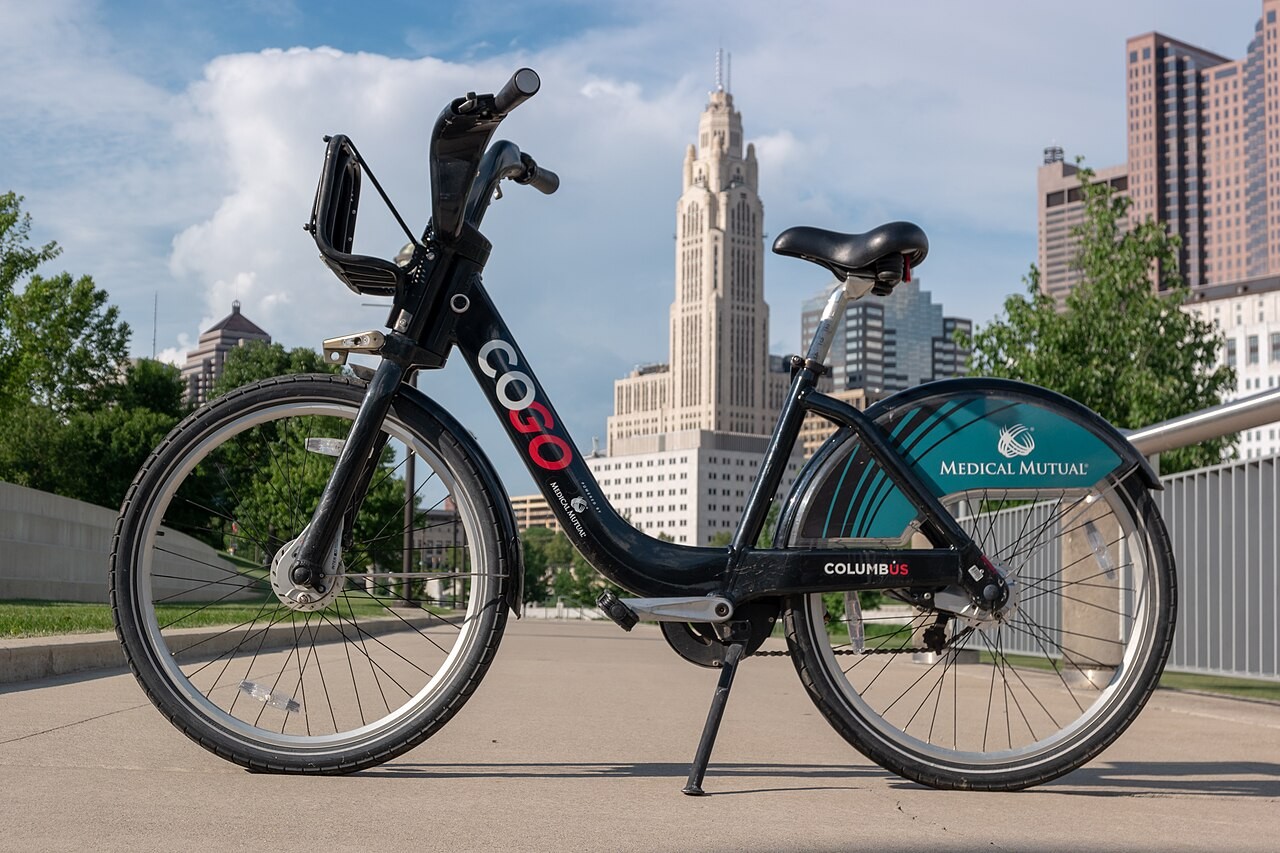
Worthington City Council is scheduled to hold a public hearing on Oct. 5, 2026, to consider comprehensive regulations for electric bicycles, motorized scooters, and other personal transportation devices worth_intro. The proposed legislation, Ordinance No. 31-2026, marks the latest municipal effort across Central Ohio to address the growing presence of micromobility devices on public streets, sidewalks, and shared paths.
Worthington municipal officials said consumer adoption of e-bikes and e-scooters for commuting and recreation has outpaced statutory standards at both state and local levels worth_memo. In a memorandum to councilmembers, Assistant Law Director Addison Spriggs said the lack of a comprehensive legal framework creates uncertainty for riders, law enforcement, and policymakers worth_memo. In response, suburban communities across Franklin and Delaware counties are adopting local rules to fill the state regulatory vacuum.
Worthington's Proposed Rules Under Ordinance No. 31-2026
Worthington's proposal amends Chapters 301 and 373 of the municipal Traffic Code. The measure creates a formal definition for a "Personal Transportation Device" (PTD), categorizing electric scooters, skateboards, hoverboards, and similar wheeled devices under uniform standards, while explicitly providing that golf carts do not fall under the classification worth_definition.
The legislation establishes clear age cutoffs for juvenile operators. Under proposed Section 373.15, no child under the age of 14 is permitted to operate a personal transportation device within the city worth_ages. The section also bars minor operators from carrying passengers on personal transportation devices worth_passengers.
For electric bicycles governed under Section 373.14, children under 14 are prohibited from operating Class 1 or Class 2 e-bikes, though they may ride as passengers on models built to transport multiple people worth_ebike_ages. For Class 3 e-bikes, which provide motorized pedal assistance up to 28 mph, operators must be at least 16 years old worth_ebike_class3.
The ordinance also sets speed ceilings and geographic boundaries to protect pedestrians. Under Section 373.091, personal transportation devices operated on public sidewalks cannot exceed 8 mph worth_sidewalk_speed. On municipal shared-use paths, devices face a 15 mph speed limit worth_path_speed. While personal transportation devices and bicycles may use paved roadways and multi-use paths, the ordinance strictly bans e-bikes, motorized bicycles, and personal transportation devices from operating on public unpaved paths or natural surface trails worth_unpaved_ban. The City Manager or an authorized designee may also post signage prohibiting devices in designated plazas, parks, or business districts.
To reduce head injuries among youth, Section 373.04 mandates helmets for riders under 18 on bicycles, motorized bicycles, or personal transportation devices worth_helmets. Violations carry fines up to $50 for a first offense and $100 for subsequent offenses. To emphasize education over punishment, the ordinance includes a dismissal remedy: first-time juvenile offenders can have citations dismissed by presenting proof of purchase of an approved helmet to the City Prosecutor within 30 days worth_helmet_dismissal.
Operational infractions under the updated code are classified as minor misdemeanors. In addition to or in place of monetary fines, judges and prosecutors are authorized to require offenders to complete a city-approved safety education program or bicycling skills course worth_education_opt.
The Regional Patchwork in Upper Arlington and Sunbury
Worthington's measure highlights a broader trend among Central Ohio municipalities crafting local rules in the absence of uniform state statutes.
In Upper Arlington, City Council held a fifth reading and public hearing on Ordinance No. 27-2026 on Sept. 14, 2026 ua_ordinance. The ordinance amends Chapters 301, 383, and 543 of the city code to establish an e-mobility device registration program, mandatory safety education, and parking restrictions designed to keep walkways and public parks free from abandoned devices ua_ordinance.
To the north in Delaware County, Sunbury City Council has moved to integrate micromobility into its codified ordinances through Ordinance No. 2026.23 sunbury_min. Introduced on Aug. 5, 2026, the legislation incorporates electric personal assistive mobility devices and low-speed micromobility devices into traffic regulations sunbury_min. Sunbury officials continued refining the measure on their Sept. 16 agenda, establishing specific helmet rules for e-bike riders on municipal paths sunbury_agenda_item.
Divergent Enforcement Models: Educational Stops Versus Parental Liability
While suburban councils agree on the need for regulation, municipal leaders differ significantly on enforcement strategies, debating whether to penalize children, cite parents, or prioritize educational warnings.
In Canal Winchester, Councilmember Alec McLaughlin introduced initiative OTH-26-011 on Sept. 8, 2026 cw_mclaughlin_intro. Citing concerns from local school board members about students commuting on motorized devices, McLaughlin proposed an under-18 helmet mandate and a ban on tandem riding on e-bikes and scooters cw_mclaughlin_intro.
Canal Winchester officials questioned the practical enforcement of youth penalties. Councilmember Will Bennett asked whether officers would write tickets directly to young children cw_bennett_concern. Fairfield County Sheriff Sgt. Strawn, who oversees municipal policing, expressed reservations about citing youth cw_strawn_view. Sgt. Strawn said he preferred educational warnings and positive reinforcement incentives, such as local merchant coupons for wearing helmets, rather than ticketing 10-year-olds and creating fear of police cw_strawn_view.
Canal Winchester Mayor Joe Steager cited the enforcement model adopted in Hilliard, which shifts legal accountability to adults cw_steager_hilliard. In Hilliard, parents or guardians who recklessly permit children to violate micromobility regulations face minor misdemeanor charges on a first offense, with recurring violations within a year escalating to higher-degree misdemeanors cw_steager_hilliard.
As Worthington approaches its Oct. 5 public hearing, the suburban debate illustrates the challenge of safeguarding public paths while balancing youth education, parental liability, and criminal citations.
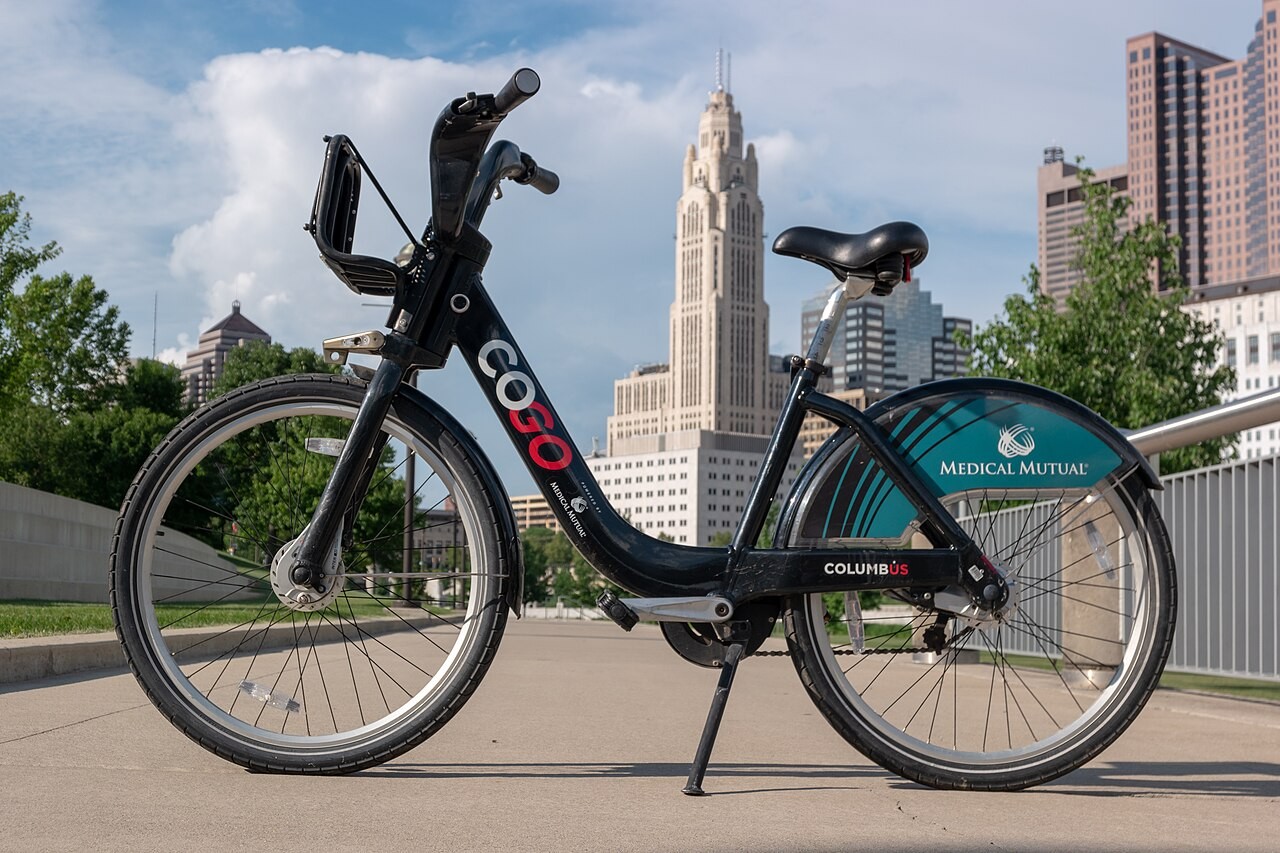
Worthington City Council is scheduled to hold a public hearing on Oct. 5, 2026, to consider comprehensive regulations for electric bicycles, motorized scooters, and other personal transportation devices worth_intro. The proposed legislation, Ordinance No. 31-2026, marks the latest municipal effort across Central Ohio to address the growing presence of micromobility devices on public streets, sidewalks, and shared paths.
Worthington municipal officials said consumer adoption of e-bikes and e-scooters for commuting and recreation has outpaced statutory standards at both state and local levels worth_memo. In a memorandum to councilmembers, Assistant Law Director Addison Spriggs said the lack of a comprehensive legal framework creates uncertainty for riders, law enforcement, and policymakers worth_memo. In response, suburban communities across Franklin and Delaware counties are adopting local rules to fill the state regulatory vacuum.
Worthington's Proposed Rules Under Ordinance No. 31-2026
Worthington's proposal amends Chapters 301 and 373 of the municipal Traffic Code. The measure creates a formal definition for a "Personal Transportation Device" (PTD), categorizing electric scooters, skateboards, hoverboards, and similar wheeled devices under uniform standards, while explicitly providing that golf carts do not fall under the classification worth_definition.
The legislation establishes clear age cutoffs for juvenile operators. Under proposed Section 373.15, no child under the age of 14 is permitted to operate a personal transportation device within the city worth_ages. The section also bars minor operators from carrying passengers on personal transportation devices worth_passengers.
For electric bicycles governed under Section 373.14, children under 14 are prohibited from operating Class 1 or Class 2 e-bikes, though they may ride as passengers on models built to transport multiple people worth_ebike_ages. For Class 3 e-bikes, which provide motorized pedal assistance up to 28 mph, operators must be at least 16 years old worth_ebike_class3.
The ordinance also sets speed ceilings and geographic boundaries to protect pedestrians. Under Section 373.091, personal transportation devices operated on public sidewalks cannot exceed 8 mph worth_sidewalk_speed. On municipal shared-use paths, devices face a 15 mph speed limit worth_path_speed. While personal transportation devices and bicycles may use paved roadways and multi-use paths, the ordinance strictly bans e-bikes, motorized bicycles, and personal transportation devices from operating on public unpaved paths or natural surface trails worth_unpaved_ban. The City Manager or an authorized designee may also post signage prohibiting devices in designated plazas, parks, or business districts.
To reduce head injuries among youth, Section 373.04 mandates helmets for riders under 18 on bicycles, motorized bicycles, or personal transportation devices worth_helmets. Violations carry fines up to $50 for a first offense and $100 for subsequent offenses. To emphasize education over punishment, the ordinance includes a dismissal remedy: first-time juvenile offenders can have citations dismissed by presenting proof of purchase of an approved helmet to the City Prosecutor within 30 days worth_helmet_dismissal.
Operational infractions under the updated code are classified as minor misdemeanors. In addition to or in place of monetary fines, judges and prosecutors are authorized to require offenders to complete a city-approved safety education program or bicycling skills course worth_education_opt.
The Regional Patchwork in Upper Arlington and Sunbury
Worthington's measure highlights a broader trend among Central Ohio municipalities crafting local rules in the absence of uniform state statutes.
In Upper Arlington, City Council held a fifth reading and public hearing on Ordinance No. 27-2026 on Sept. 14, 2026 ua_ordinance. The ordinance amends Chapters 301, 383, and 543 of the city code to establish an e-mobility device registration program, mandatory safety education, and parking restrictions designed to keep walkways and public parks free from abandoned devices ua_ordinance.
To the north in Delaware County, Sunbury City Council has moved to integrate micromobility into its codified ordinances through Ordinance No. 2026.23 sunbury_min. Introduced on Aug. 5, 2026, the legislation incorporates electric personal assistive mobility devices and low-speed micromobility devices into traffic regulations sunbury_min. Sunbury officials continued refining the measure on their Sept. 16 agenda, establishing specific helmet rules for e-bike riders on municipal paths sunbury_agenda_item.
Divergent Enforcement Models: Educational Stops Versus Parental Liability
While suburban councils agree on the need for regulation, municipal leaders differ significantly on enforcement strategies, debating whether to penalize children, cite parents, or prioritize educational warnings.
In Canal Winchester, Councilmember Alec McLaughlin introduced initiative OTH-26-011 on Sept. 8, 2026 cw_mclaughlin_intro. Citing concerns from local school board members about students commuting on motorized devices, McLaughlin proposed an under-18 helmet mandate and a ban on tandem riding on e-bikes and scooters cw_mclaughlin_intro.
Canal Winchester officials questioned the practical enforcement of youth penalties. Councilmember Will Bennett asked whether officers would write tickets directly to young children cw_bennett_concern. Fairfield County Sheriff Sgt. Strawn, who oversees municipal policing, expressed reservations about citing youth cw_strawn_view. Sgt. Strawn said he preferred educational warnings and positive reinforcement incentives, such as local merchant coupons for wearing helmets, rather than ticketing 10-year-olds and creating fear of police cw_strawn_view.
Canal Winchester Mayor Joe Steager cited the enforcement model adopted in Hilliard, which shifts legal accountability to adults cw_steager_hilliard. In Hilliard, parents or guardians who recklessly permit children to violate micromobility regulations face minor misdemeanor charges on a first offense, with recurring violations within a year escalating to higher-degree misdemeanors cw_steager_hilliard.
As Worthington approaches its Oct. 5 public hearing, the suburban debate illustrates the challenge of safeguarding public paths while balancing youth education, parental liability, and criminal citations.
How we know this
The sources and records behind this story, with the facts they support.
City Council Agendas · September 14, 2026 · agenda
Supporting evidence (14)
Worthington City Council is scheduled to hold a public hearing on Oct. 5, 2026, to consider comprehensive regulations for electric bicycles, motorized scooters, and other personal transportation devices worth_intro.
Read supporting passage
Introduce for public hearing on October 5, 2026.
Worthington municipal officials said consumer adoption of e-bikes and e-scooters for commuting and recreation has outpaced statutory standards at both state and local levels worth_memo.
Read supporting passage
The absence of a comprehensive and cohesive legal framework
In a memorandum to councilmembers, Assistant Law Director Addison Spriggs said the lack of a comprehensive legal framework creates uncertainty for riders, law enforcement, and policymakers worth_memo.
Read supporting passage
The absence of a comprehensive and cohesive legal framework
The measure creates a formal definition for a "Personal Transportation Device" (PTD), categorizing electric scooters, skateboards, hoverboards, and similar wheeled devices under uniform standards, while explicitly providing that golf carts do not fall under the classification worth_definition.
Read supporting passage
Golf carts are not Personal Transportation Devices as utilized in this section.
Under proposed Section 373.15, no child under the age of 14 is permitted to operate a personal transportation device within the city worth_ages.
Read supporting passage
No one under the age of fourteen shall ride or operate a Personal Transportation Device.
The section also bars minor operators from carrying passengers on personal transportation devices worth_passengers.
Read supporting passage
No minor shall operate a Personal Transportation Device that is carrying
For electric bicycles governed under Section 373.14, children under 14 are prohibited from operating Class 1 or Class 2 e-bikes, though they may ride as passengers on models built to transport multiple people worth_ebike_ages.
Read supporting passage
No person under fourteen years of age shall operate a class 1 electric bicycle
For Class 3 e-bikes, which provide motorized pedal assistance up to 28 mph, operators must be at least 16 years old worth_ebike_class3.
Read supporting passage
No person under sixteen years of age shall operate a class 3 electric bicycle
Under Section 373.091, personal transportation devices operated on public sidewalks cannot exceed 8 mph worth_sidewalk_speed.
Read supporting passage
speed greater than eight (8) miles per hour.
On municipal shared-use paths, devices face a 15 mph speed limit worth_path_speed.
Read supporting passage
Use Path within the City at a speed greater than fifteen (15) miles per hour.
While personal transportation devices and bicycles may use paved roadways and multi-use paths, the ordinance strictly bans e-bikes, motorized bicycles, and personal transportation devices from operating on public unpaved paths or natural surface trails worth_unpaved_ban.
Read supporting passage
un-paved paths or trails in the City.
To reduce head injuries among youth, Section 373.04 mandates helmets for riders under 18 on bicycles, motorized bicycles, or personal transportation devices worth_helmets.
Read supporting passage
wearing a protective helmet on his/her head.
To emphasize education over punishment, the ordinance includes a dismissal remedy: first-time juvenile offenders can have citations dismissed by presenting proof of purchase of an approved helmet to the City Prosecutor within 30 days worth_helmet_dismissal.
Read supporting passage
upon which the citation shall be dismissed.
In addition to or in place of monetary fines, judges and prosecutors are authorized to require offenders to complete a city-approved safety education program or bicycling skills course worth_education_opt.
Read supporting passage
In lieu of a fine, any person violating this section may be required to complete a city-approved safety education program.
Supporting evidence (2)
In Upper Arlington, City Council held a fifth reading and public hearing on Ordinance No. 27-2026 on Sept. 14, 2026 ua_ordinance.
Read supporting passage
Ordinance No. 27-2026 - To Amend Chapters 301 - Definitions, 383 - Bicycles,
The ordinance amends Chapters 301, 383, and 543 of the city code to establish an e-mobility device registration program, mandatory safety education, and parking restrictions designed to keep walkways and public parks free from abandoned devices ua_ordinance.
Read supporting passage
Ordinance No. 27-2026 - To Amend Chapters 301 - Definitions, 383 - Bicycles,
Council · City Council Meeting Agenda - 8/5/2026 · minutes
Supporting evidence (2)
To the north in Delaware County, Sunbury City Council has moved to integrate micromobility into its codified ordinances through Ordinance No. 2026.23 sunbury_min.
Read supporting passage
ORDINANCE NO. 2026.23
Introduced on Aug. 5, 2026, the legislation incorporates electric personal assistive mobility devices and low-speed micromobility devices into traffic regulations sunbury_min.
Read supporting passage
ORDINANCE NO. 2026.23
Council · City Council Meeting Agenda 9/16/2026 · agenda
Supporting evidence (1)
Sunbury officials continued refining the measure on their Sept. 16 agenda, establishing specific helmet rules for e-bike riders on municipal paths sunbury_agenda_item.
Read supporting passage
ORD NO. 2026.23 E- BIKES LEGISLATION
City Council · City Council Meeting · minutes
Supporting evidence (7)
In Canal Winchester, Councilmember Alec McLaughlin introduced initiative OTH-26-011 on Sept. 8, 2026 cw_mclaughlin_intro.
Read supporting passage
for anyone under the age of 18 that are operating an e-bike and e-scooter.
Citing concerns from local school board members about students commuting on motorized devices, McLaughlin proposed an under-18 helmet mandate and a ban on tandem riding on e-bikes and scooters cw_mclaughlin_intro.
Read supporting passage
for anyone under the age of 18 that are operating an e-bike and e-scooter.
Councilmember Will Bennett asked whether officers would write tickets directly to young children cw_bennett_concern.
Read supporting passage
Bennett – Would Sergeant Strawn be writing a ticket to an 8-year-old and handing an 8-year-old a ticket?
Strawn, who oversees municipal policing, expressed reservations about citing youth cw_strawn_view.
Read supporting passage
I really don’t want to give a 10-year-old kid a ticket for riding a scooter where they shouldn’t be.
Strawn said he preferred educational warnings and positive reinforcement incentives, such as local merchant coupons for wearing helmets, rather than ticketing 10-year-olds and creating fear of police cw_strawn_view.
Read supporting passage
I really don’t want to give a 10-year-old kid a ticket for riding a scooter where they shouldn’t be.
Canal Winchester Mayor Joe Steager cited the enforcement model adopted in Hilliard, which shifts legal accountability to adults cw_steager_hilliard.
Read supporting passage
Steager – In the City of Hilliard, they are issuing citations to parents.
In Hilliard, parents or guardians who recklessly permit children to violate micromobility regulations face minor misdemeanor charges on a first offense, with recurring violations within a year escalating to higher-degree misdemeanors cw_steager_hilliard.
Read supporting passage
Steager – In the City of Hilliard, they are issuing citations to parents.
Council · City Council Meeting Agenda 9/16/2026 · agenda
Supporting evidence (1)
Sunbury officials continued refining the measure on their Sept. 16 agenda, establishing specific helmet rules for e-bike riders on municipal paths sunbury_agenda_item.
Read supporting passage
ORD NO. 2026.23 E- BIKES LEGISLATION